Transitioning from Infant to Toddler: What to Expect and How to Manage
The transition from infancy to toddlerhood is a momentous phase in a child’s life. This period, generally defined as starting around 12 months and extending to 36 months, is marked by rapid growth and development in physical, cognitive, and emotional areas. As parents, understanding what to expect and how to manage these changes can make the journey smoother for both you and your child. In this article, we delve deep into the nuances of this transition, offering insights and practical advice.
Understanding Developmental Milestones
During this phase, children achieve several developmental milestones. These include improvements in motor skills, language acquisition, and social interactions. Recognizing and supporting these milestones is crucial.
Motor Skills: Toddlers begin to walk, run, climb, and explore their environment. Fine motor skills also develop, enabling them to pick up small objects, use utensils, and engage in activities like drawing.
Language Development: Vocabulary expands rapidly. By age two, most toddlers can form simple sentences and follow simple instructions.
Social and Emotional Growth: This is a time of increasing independence. Toddlers begin to express a range of emotions and may show signs of empathy.
Physical Changes and Nutritional Needs
As your child transitions to a toddler, their physical needs change significantly. Nutrition plays a vital role in supporting their growth and development.
Dietary Requirements: A balanced diet rich in fruits, vegetables, whole grains, proteins, and dairy is essential. Toddlers require adequate iron, calcium, and vitamins to support their growing bodies. It’s also crucial to establish healthy eating habits early on to prevent childhood obesity and other related issues.
Sleep Patterns: Sleep is integral to a toddler’s health. Most toddlers need 11-14 hours of sleep per day, which includes naps. Establishing a consistent sleep routine can aid in better sleep quality.
Managing Behavioral Changes
The toddler years are often marked by behavioral challenges as children test boundaries and assert independence. Understanding these behaviors and responding appropriately is key to effective parenting.
Tantrums: These are a normal part of toddlerhood. They often occur when a child is tired, hungry, or unable to express their needs. Handling tantrums with patience and understanding helps teach self-regulation.
Setting Boundaries: Clear and consistent boundaries are essential. Use positive reinforcement to encourage good behavior and provide a structured environment to help toddlers feel secure.
Encouraging Cognitive Development
Cognitive development is a vital aspect of toddler growth. Engaging your child in activities that stimulate their mind can enhance their learning and problem-solving skills.
Interactive Play: Encourage play that promotes thinking and creativity. Puzzles, building blocks, and role-playing games are excellent tools for cognitive development.
Reading Together: Reading to your child regularly helps improve language skills and ignites imagination. It also strengthens the bond between parent and child.
Importance of Social Interaction
Toddlers learn a great deal through social interactions. Playdates, group activities, and family gatherings provide opportunities for children to develop social skills.
Peer Interaction: Engaging with peers helps toddlers learn sharing, cooperation, and empathy. These skills are foundational for positive social interactions in later life.
Learning Through Observation: Toddlers often mimic adult behavior. Be mindful of your actions and words, as they serve as a model for your child’s behavior.
Parental Support and Resources
Parenting a toddler can be both rewarding and challenging. Fortunately, there are numerous resources available to assist you in this journey.
Parenting Guides offer valuable insights and strategies for managing toddler behavior and fostering development. Joining parenting groups can also provide a support network and share experiences with other parents.
Professional Advice from pediatricians and child psychologists can help address specific concerns and provide personalized guidance for your child’s needs.
Takeaways
The transition from infant to toddler is a dynamic period filled with rapid changes and exciting milestones. By understanding what to expect and employing effective strategies, parents can support their child’s development and lay the foundation for a healthy, happy future. Embrace this journey with patience, love, and an eagerness to learn alongside your child, ensuring that both of you navigate this transition successfully.
For more detailed information on child care and developmental milestones, you can visit the Mayo Clinic website for comprehensive resources and expert advice.
Managing Health and Safety
Ensuring your toddler’s health and safety is paramount during this transition. Awareness and proactive measures can prevent common issues and ensure a safe environment for exploration and growth.
Regular Health Check-ups: Routine visits to the pediatrician help monitor your child’s growth and development. These visits are also an opportunity to discuss any concerns and keep up with vaccinations.
Safety at Home: As toddlers become more mobile, childproofing your home is essential. Secure furniture to walls, cover electrical outlets, and keep hazardous substances out of reach. Additionally, ensure that play areas are safe and free of small objects that pose choking hazards.
Outdoor Safety: When outdoors, always supervise your toddler closely. Use appropriate safety gear such as helmets for biking and ensure play areas are safe and well-maintained.
Nurturing Emotional Well-being
The emotional well-being of a toddler is as crucial as their physical health. Providing a nurturing environment helps build a sense of security and confidence.
Consistent Routines: Consistency in daily routines offers a sense of stability and predictability that toddlers thrive on. Regular meal times, play times, and bedtime routines help your child feel secure.
Encouragement and Affection: Positive reinforcement and affection go a long way in building self-esteem. Celebrate achievements, offer praise, and provide reassurance to support your child’s emotional growth.
Handling Separation Anxiety: This is a common issue during toddlerhood. To ease anxiety, practice short separations and gradually increase the duration. Always reassure your child of your return and maintain a calm demeanor.
Balancing Independence and Guidance
As toddlers seek more independence, finding the right balance between giving them freedom and providing guidance can be challenging.
Encourage Autonomy: Allow your child to make simple choices, such as selecting their outfit or choosing a snack. This fosters decision-making skills and independence.
Set Clear Expectations: Clearly communicate rules and expectations to help your toddler understand boundaries. Use simple language and be consistent in enforcing rules.
Involvement in Daily Tasks: Involve your toddler in daily tasks to build skills and confidence. Simple chores like putting away toys or helping with meal preparation can be rewarding and educational.
Technological Interaction
In today’s digital age, managing your toddler’s exposure to technology is an important consideration. While technology can offer educational benefits, it’s essential to maintain a balanced approach.
Screen Time Guidelines: The American Academy of Pediatrics recommends limiting screen time for toddlers to high-quality content and co-viewing to provide context and understanding.
Interactive Apps and Programs: Choose educational apps and programs that encourage active participation rather than passive consumption. Look for content that promotes problem-solving and creativity.
Alternative Activities: Encourage physical activity and outdoor play as alternatives to screen time. These activities support physical health and offer opportunities for social interaction and exploration.
Takeaways
The journey from infancy to toddlerhood is a remarkable and transformative period that sets the stage for future development. By understanding the changes that occur during this time and adopting supportive strategies, parents can navigate the challenges and joys of this transition with confidence. Remember, every child is unique, and flexibility is key. Embrace the journey with a sense of wonder and dedication, and you will foster a nurturing environment that promotes your toddler’s overall well-being and happiness.
For further reading on nurturing toddler development, consider exploring resources from the Zero to Three organization, which offers expert insights and tips for parents and caregivers.
Preparing for the Preschool Transition
As your toddler approaches preschool age, preparing them for this new phase becomes important. Early preparation can ease the transition and set a positive tone for their educational journey.
Fostering Social Skills: Encourage interactions with peers through group activities and playdates. This helps your child develop essential social skills such as sharing, cooperation, and communication.
Encouraging Independence: Teach your toddler to manage simple self-care tasks like dressing, feeding, and toileting. These skills will boost their confidence and independence in a preschool setting.
Familiarizing with Preschool Routines: Visit preschools with your child and discuss what they can expect. Reading books about starting school and role-playing can also make the experience less daunting.
Building Resilience and Coping Skills
Helping your toddler build resilience and coping skills is crucial for their emotional and social development. These skills will enable them to handle challenges and adapt to changes effectively.
Problem-Solving Opportunities: Allow your child to face age-appropriate challenges and guide them in finding solutions. This fosters resilience and boosts confidence.
Modeling Healthy Coping Strategies: Demonstrate positive ways to handle stress and disappointment. Your child learns by observing how you manage your emotions and challenges.
Encouraging Expression of Emotions: Create a safe space for your toddler to express their emotions. Use empathy and validation to help them understand and name their feelings.
Balancing Work and Toddler Care
Many parents face the challenge of balancing work commitments with toddler care. Finding a balance that works for your family is essential for maintaining harmony and well-being.
Flexible Work Arrangements: Explore options such as remote work, flexible hours, or job sharing to better accommodate your family’s needs.
Quality Time Over Quantity: Focus on quality interactions with your child. Even short, dedicated periods of play and conversation can strengthen your bond.
Seeking Support: Don’t hesitate to reach out for help from family, friends, or professional childcare services to manage your responsibilities effectively.
Additional Resources and Support
Parenting a toddler can be overwhelming, but numerous resources are available to support you in this journey. From books to online communities, these resources can offer guidance and reassurance.
Parenting Websites provide a wealth of information on toddler care, development, and parenting strategies.
Joining local parenting groups or online forums can offer a sense of community and shared experiences. Engaging with other parents can provide valuable insights and emotional support.
Consider enrolling in parenting workshops or classes that focus on toddler development and behavior management. These can equip you with practical tools and techniques to navigate the toddler years effectively.
Final Thoughts
The transition from infant to toddler is a remarkable journey filled with growth, learning, and discovery. By staying informed and proactive, you can provide the support and environment your child needs to thrive. While challenges will arise, the rewards of seeing your toddler develop into a curious, independent, and joyful individual make every effort worthwhile. Cherish each moment, and remember that you are not alone—numerous resources and communities are available to support you every step of the way.
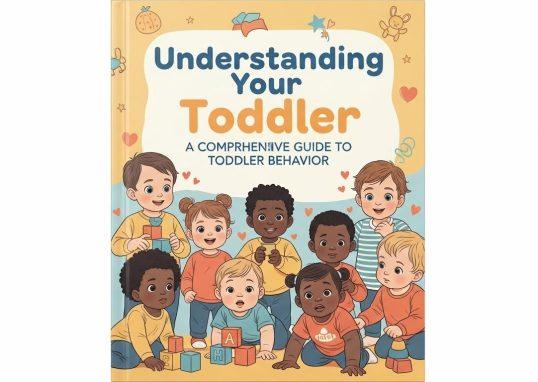
Understanding Your Toddler: A Comprehensive Guide to Toddler Behavior As parents, caregivers, or educators, understanding toddler behavior is crucial to fostering a...