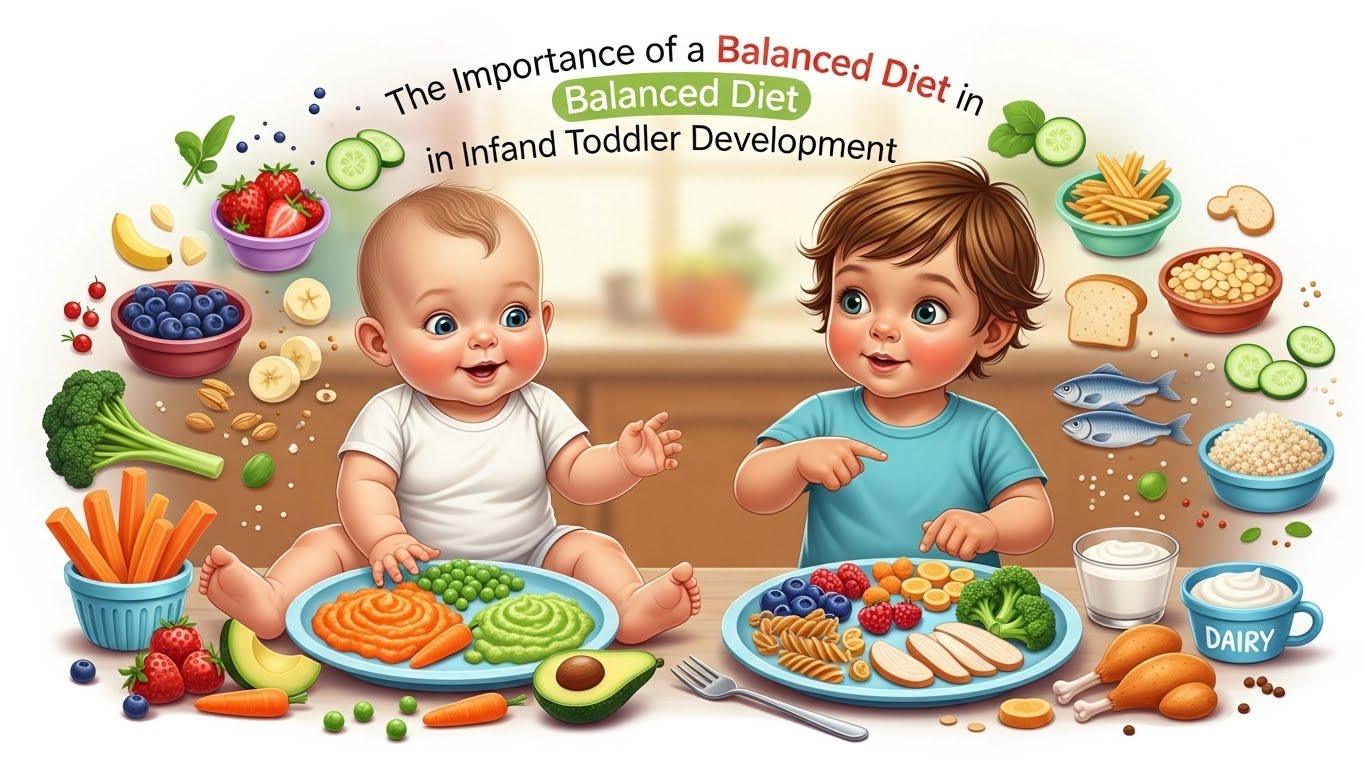
The Importance of a Balanced Diet in Infant and Toddler Development
In the formative years of life, nutrition plays a pivotal role in the physical and cognitive development of infants and toddlers. As parents and caregivers, understanding the significance of a balanced diet can set the foundation for lifelong health and well-being. This blog post delves into why a balanced diet is crucial during these early years and how it influences various aspects of a child’s growth.
The Foundation of Growth: Nutritional Needs in Infants and Toddlers
From birth to age three, children undergo rapid growth and development. Adequate nutrition during this period is essential to support this growth. Infants and toddlers have specific nutritional requirements that differ from adults due to their developing bodies and brains. Key nutrients such as proteins, carbohydrates, fats, vitamins, and minerals must be included in their diets in appropriate amounts.
For instance, health authorities emphasize the importance of iron, calcium, and omega-3 fatty acids. Iron is crucial for brain development and the formation of healthy blood cells, while calcium supports strong bones and teeth. Omega-3 fatty acids, found in foods like fish, are essential for brain development and function.
Breastfeeding: The Perfect Start
Breastfeeding is widely recommended as the ideal source of nutrition for infants. According to the World Health Organization, exclusive breastfeeding is encouraged for the first six months of life. Breast milk contains a perfect balance of nutrients and antibodies that protect infants from infections and diseases.

Furthermore, breastfeeding fosters a unique bond between mother and child, promoting emotional and social development. For mothers unable to breastfeed, formula milk provides a viable alternative, often fortified with essential nutrients to mimic the benefits of breast milk.
Introducing Solids: A New Nutritional Journey
As infants grow, usually around six months, their nutritional needs evolve, and the introduction of solid foods becomes necessary. This transition phase is critical as it sets dietary patterns for later life. Parents should aim to offer a variety of foods, including pureed fruits, vegetables, and cereals, to ensure a well-rounded intake of nutrients.
Gradually, infants should be exposed to different textures and flavors, helping to develop their palate and acceptance of diverse foods. This approach not only supports physical growth but also encourages healthy eating habits that can prevent picky eating behaviors.
The Role of Micronutrients
While macronutrients provide the bulk of energy, micronutrients such as vitamins and minerals are equally important in infant and toddler diets. Vitamin D, for example, is essential for bone health and immune function. The NHS suggests supplementation in regions with limited sunlight exposure to prevent deficiencies.
Similarly, vitamin A is vital for vision and immune health, while zinc supports growth and development. Caregivers should ensure that infants and toddlers receive these nutrients through a varied diet or, if necessary, through supplements advised by a healthcare professional.
Hydration and Its Importance
Proper hydration is often overlooked but is crucial for maintaining health in infants and toddlers. While breast milk or formula provides hydration for infants, water becomes essential as they transition to solids. Adequate fluid intake helps regulate body temperature, transport nutrients, and eliminate waste.
Parents should encourage regular sips of water throughout the day, especially in hot weather or during illness, to prevent dehydration. Sugary drinks, however, should be avoided as they contribute to dental caries and unhealthy weight gain.
Common Challenges in Infant and Toddler Nutrition
Despite best efforts, caregivers often encounter challenges in maintaining a balanced diet for infants and toddlers. Picky eating, food allergies, and dietary restrictions can complicate meal planning. However, with patience and creativity, these challenges can be managed effectively.
For picky eaters, offering a variety of foods without pressure can gradually increase acceptance. Creating a positive mealtime environment and involving children in food preparation can also enhance their interest in eating. In cases of allergies, consulting with a healthcare provider ensures that nutritional needs are met safely.
The Long-term Impact of Early Nutrition
The benefits of a balanced diet during infancy and toddlerhood extend beyond immediate health. Studies show that early nutrition significantly affects cognitive development, academic performance, and the risk of chronic diseases later in life.
For instance, adequate nutrition supports brain development, influencing learning abilities and behavior. As children grow, maintaining healthy eating habits reduces the risk of obesity, diabetes, and cardiovascular diseases. Thus, investing in nutrition during the early years is a crucial step towards a healthier future.
Conclusion: Building a Healthy Future
In conclusion, the importance of a balanced diet in infant and toddler development cannot be overstated. From providing essential nutrients for growth to setting the stage for lifelong health, nutrition plays a foundational role in early childhood. By understanding and addressing the unique dietary needs of infants and toddlers, caregivers can ensure that their little ones thrive physically, mentally, and emotionally.
As parents and caregivers, staying informed about nutritional guidelines, seeking advice from healthcare professionals, and adopting a proactive approach to feeding can make a significant difference. For further reading, consider exploring resources like the UNICEF’s nutritional recommendations for childhood development. Ultimately, nurturing healthy eating habits from the start is an investment in a child’s bright and healthy future.
Practical Tips for Ensuring a Balanced Diet
Parents and caregivers often seek practical ways to implement a balanced diet for their infants and toddlers. Here are some actionable tips to guide you through this important journey:
- Plan Meals Ahead: Taking time to plan meals can ensure variety and nutritional balance. Consider creating a weekly menu that includes different food groups and flavors.
- Encourage Self-Feeding: Allow toddlers to explore foods with their hands. This not only fosters independence but also helps them develop fine motor skills.
- Set Regular Mealtimes: Establishing a routine with regular meals and snacks can help regulate hunger cues and prevent overeating.
- Lead by Example: Children learn by imitation. Eating a balanced diet yourself can encourage your child to follow suit.
- Introduce New Foods Gradually: Offer new foods alongside familiar favorites to ease the process. Patience is key as it may take several attempts before a child accepts a new food.
- Limit Processed Foods: While convenient, processed foods often contain high levels of sugar and salt. Opt for whole foods whenever possible.
Understanding Portion Sizes
One common concern among parents is understanding the appropriate portion sizes for infants and toddlers. It’s important to remember that young children have smaller stomachs and require smaller portions compared to adults. Here are some general guidelines:
- Infants: Start with small amounts of pureed foods, gradually increasing as they show readiness.
- Toddlers: A toddler’s serving size is typically about one-quarter to one-third of an adult’s portion.
- Listen to Hunger Cues: Allow your child to guide the amount they eat. Trust their ability to self-regulate their intake.
For more detailed information, consider referring to the USDA’s ChooseMyPlate guidelines which provide resources on portion sizes and balanced meals.
The Role of Family Dynamics in Nutrition
The family environment plays a significant role in shaping a child’s eating habits and attitudes towards food. Positive family mealtime practices can enhance a child’s relationship with food and encourage healthy eating behaviors. Here are some strategies to foster a supportive eating environment:
- Eat Together: Family meals provide an opportunity for connection and role modeling. It’s a chance to discuss the day and enjoy each other’s company while sharing a meal.
- Avoid Distractions: Turn off screens during meals to focus on eating and conversation. This helps children listen to their hunger cues and promotes mindful eating.
- Involve Children in Cooking: Engaging children in meal preparation can increase their interest in food and willingness to try new dishes.
Conclusion: A Commitment to Health
In the end, the journey of providing a balanced diet for infants and toddlers is both a responsibility and an opportunity to instill healthy habits. By understanding the unique nutritional needs during these formative years, parents and caregivers can make informed choices that promote optimal growth and development.
As we have explored, a balanced diet during infancy and toddlerhood lays the groundwork for a lifetime of health benefits. It is a commitment that requires dedication, patience, and love. For additional guidance, you can explore helpful resources from the Academy of Nutrition and Dietetics, which offers expert advice and tips on childhood nutrition.
Ultimately, nurturing a balanced diet in early childhood sets the stage for a future filled with health, vitality, and well-being. It’s a legacy that every parent can proudly pass on to their children.
Posts relacionados
Dia Internacional da Tolerância Zero à Mutilação Genital Feminina
Acabar com a mutilação genital feminina até 2030 A mutilação genital feminina (MGF) compreende todos os procedimentos que envolvem a alteração ou...
Protegendo mães e bebês contra o HIV e a sífilis: preço do teste duplo cai para US$ 0,84.
Como uma parceria inédita aumentou o acesso ao teste de sífilis para milhões de mulheres, ao mesmo tempo que economizou milhões para...
Novo relatório: O custo da inação em relação ao HIV para as crianças
O futuro deles está em jogo. Este relatório, produzido pela UNAIDS, UNICEF e Avenir Health, mostra que o progresso significativo alcançado nas...
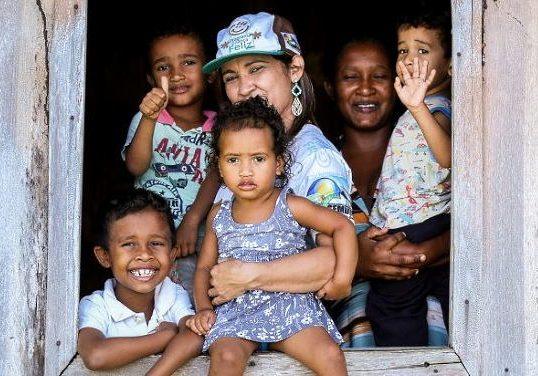
Brasil – Programa Criança Feliz
Todos os anos, a Cúpula Mundial de Inovação para a Educação (WISE) premia projetos inovadores que abordam desafios educacionais globais. Este ano,...

Uprooted: Three displaced survivors of gender-based violence share their personal journeys
Aisha* was 16 years old when she found herself alone, in the middle of war. She had been living with her mother...
Leia tudo
“Transitioning from Infant to Toddler: What to Expect and How to Manage”
Transitioning from Infant to Toddler: What to Expect and How to Manage The transition from infancy to toddlerhood is a momentous phase...
Leia tudo