
Navigating through Your First Trimester: What to Expect and How to Cope
The first trimester of pregnancy is a transformative period, both physically and emotionally. It’s a time filled with excitement and anticipation, yet it often comes with its own set of challenges and surprises. Understanding what to expect and learning how to manage the changes can make this journey more enjoyable and less stressful. In this article, we delve into what you can anticipate during your first trimester and provide practical tips for coping with the changes.
Understanding the First Trimester
The first trimester spans from week 1 to week 13 of pregnancy. During this time, your body undergoes significant changes to support the growing embryo. It’s crucial to acknowledge that every pregnancy is unique, and experiences may vary greatly from one person to another. However, some common themes are prevalent during the first trimester.
Physical Changes and Symptoms
As your body adjusts to pregnancy, you may experience a variety of symptoms. While some women sail through the first trimester with minimal discomfort, others may find it quite challenging. Here are some common symptoms:
- Morning Sickness: Often characterized by nausea, with or without vomiting, morning sickness can occur at any time of the day. Understanding the causes and triggers can help manage this condition better.
- Fatigue: Increased levels of progesterone can make you feel more tired than usual. Rest is essential during this period.
- Breast Changes: Hormonal changes might make your breasts feel tender, swollen, or sore.
- Frequent Urination: As your uterus expands, it puts pressure on your bladder, causing more frequent trips to the bathroom.
Emotional Changes and Coping Strategies

The first trimester can also be an emotional rollercoaster. Hormonal fluctuations can contribute to mood swings, anxiety, and even moments of depression. Here are some strategies to help cope with these emotional changes:
- Communicate: Sharing your feelings with your partner, friends, or a therapist can provide emotional relief and support.
- Mindfulness and Relaxation: Practices such as yoga, meditation, and deep-breathing exercises can help reduce stress and improve mood.
- Healthy Lifestyle: Maintaining a balanced diet and regular exercise can positively affect your emotional well-being.
Key Dietary Considerations
Nutrition plays a crucial role in supporting your growing baby and maintaining your health. Here are some dietary guidelines to follow during the first trimester:
- Folic Acid: Essential for fetal development, folic acid should be consumed in adequate amounts through supplements and diet.
- Iron and Calcium: These nutrients are vital for your baby’s growth and development. Include leafy greens, dairy products, and lean meats in your diet.
- Stay Hydrated: Adequate water intake is important to prevent dehydration and support overall health.
- Avoid Harmful Substances: Steer clear of alcohol, caffeine, and certain fish high in mercury.
Medical Appointments and Screenings
Regular prenatal care is crucial for monitoring the health of both you and your baby. During the first trimester, you will likely have your first prenatal appointment. This appointment may include:
- Health History Review: Your doctor will discuss your medical history, including any pre-existing conditions.
- Physical Examination: To assess your overall health, a physical exam will be conducted.
- Ultrasound: An early ultrasound may be performed to confirm the pregnancy and estimate the due date.
- Screening Tests: Blood tests and other screenings may be recommended to check for genetic conditions and nutritional deficiencies.
Building a Support System
Having a solid support system can make a significant difference during pregnancy. Whether it’s your partner, family, friends, or a community group, having people to lean on can provide comfort and assistance. Consider joining a prenatal class or support group to connect with others who are experiencing similar changes.
Takeaways
The first trimester is a time of great change and adjustment. By understanding what to expect and employing strategies to manage both physical and emotional changes, you can navigate this critical phase with confidence and ease. Remember, it’s important to seek guidance from healthcare providers and support from loved ones throughout your journey. Embrace this exciting time, and take it one day at a time.
As you move through your first trimester, focus on self-care, education, and building a strong foundation for the months ahead. Each step you take now sets the stage for a healthy pregnancy and a joyful experience into parenthood.
Managing Common Concerns
It’s natural to have concerns during your first trimester, especially if this is your first pregnancy. Addressing these concerns early can help alleviate stress and promote a healthier pregnancy. Here are some common worries and how to manage them:
Miscarriage Worries
The fear of miscarriage is common during the first trimester. While the risk is higher early on, it decreases significantly after the first 12 weeks. To ease your worries, focus on what you can control:
- Follow Medical Advice: Stick to your healthcare provider’s guidance regarding diet, exercise, and prenatal care.
- Avoid Harmful Activities: Refrain from smoking, alcohol, and drugs, all of which can increase the risk of miscarriage.
- Stay Informed: Educate yourself about the signs of miscarriage and consult your doctor if you have concerns.
Weight Gain and Body Image
Adjusting to the physical changes of pregnancy can be challenging, especially regarding weight gain. Here’s how to maintain a healthy perspective:
- Focus on Health, Not Numbers: Your body is nourishing your baby, so prioritize nutrition and health over weight.
- Consult Your Doctor: Discuss your weight gain with your healthcare provider to ensure it’s within a healthy range.
- Celebrate Your Body: Embrace the changes your body is undergoing and recognize the remarkable process of creating life.
Work-Life Balance
Balancing work responsibilities with pregnancy can be demanding. Here are some strategies to help manage your workload:
- Communicate with Your Employer: Inform your employer about your pregnancy and discuss potential adjustments to your workload or schedule.
- Set Boundaries: Prioritize your health by establishing limits on work hours and commitments.
- Practice Self-care: Ensure you make time for rest and relaxation to recharge physically and mentally.
Preparing for the Next Trimesters
As you progress through your pregnancy, it’s helpful to start thinking about the upcoming trimesters and how to prepare for them. Here are some tips to help you plan ahead:
Second Trimester Planning
The second trimester is often referred to as the “honeymoon stage” of pregnancy. Energy levels may increase, and nausea typically subsides. Use this time to:
- Plan Your Nursery: Begin designing your baby’s nursery and consider what furniture and gear you will need.
- Research Childcare Options: If you plan to return to work after maternity leave, start exploring childcare options early.
- Continue Prenatal Education: Attend classes to learn about childbirth, breastfeeding, and newborn care.
Third Trimester Preparations
The third trimester is when you start to prepare for labor and delivery. To ease the transition, consider the following:
- Create a Birth Plan: Discuss your preferences for labor and delivery with your healthcare provider and draft a birth plan.
- Pack a Hospital Bag: Prepare a bag with essentials for you and your baby well in advance of your due date.
- Finalize Maternity Leave Plans: Confirm your leave plans with your employer and ensure all necessary paperwork is completed.
Final Thoughts
The first trimester is a pivotal time in your pregnancy journey. While it brings its own set of challenges, it also sets the stage for the life-changing experience of becoming a parent. By staying informed, maintaining a healthy lifestyle, and seeking support when needed, you can navigate this period with confidence and grace.
Remember, every pregnancy is unique, so trust your instincts and listen to your body. Take advantage of available resources, such as trusted pregnancy guides, to enhance your understanding and experience. As you embark on this incredible journey, cherish each moment and look forward to the joys of parenthood that lie ahead.
Building Healthy Habits for You and Your Baby
Establishing healthy habits during your first trimester can have lasting benefits for both you and your baby. These habits will not only help you cope with the changes of pregnancy but also prepare you for the demands of parenthood. Consider incorporating the following practices into your daily routine:
Exercise Regularly
Engaging in regular physical activity can improve your mood, boost energy levels, and promote better sleep. Here are some safe exercises for pregnant women:
- Walking: A low-impact exercise that can be easily incorporated into your daily routine.
- Swimming: Offers a full-body workout without putting stress on your joints.
- Prenatal Yoga: Helps improve flexibility and balance, and reduces stress.
Always consult with your healthcare provider before starting any new exercise regimen to ensure it’s safe for you and your baby.
Prioritize Sleep
Getting adequate rest is crucial during pregnancy, as your body is working hard to support your growing baby. Here are some tips for improving sleep quality:
- Create a Relaxing Bedtime Routine: Engage in calming activities, such as reading or taking a warm bath, before bed.
- Sleep on Your Side: Sleeping on your left side can improve circulation and is often recommended during pregnancy.
- Limit Screen Time: Avoid using electronic devices at least an hour before bedtime to reduce exposure to blue light.
Manage Stress
Managing stress is important for both your mental and physical health. Chronic stress can impact your pregnancy, so it’s essential to find effective ways to cope:
- Practice Mindfulness: Techniques such as meditation and deep breathing can help reduce stress levels.
- Seek Support: Talk to friends, family, or a therapist about your feelings and concerns.
- Stay Organized: Keeping a planner or checklist can help you manage tasks and reduce the feeling of being overwhelmed.
Stay Informed and Educated
Education is empowering. The more you know about pregnancy and childbirth, the more prepared you’ll feel. Consider the following resources:
- Pregnancy Books: Invest in well-reviewed books that provide comprehensive information about pregnancy stages.
- Online Resources: Visit reliable websites like NHS Pregnancy Care for up-to-date information.
- Join Online Forums: Participate in pregnancy forums to connect with other expecting mothers and share experiences.
The Importance of Flexibility and Adaptability
It’s important to understand that pregnancy is an unpredictable journey, and flexibility is key. Plans may change, and unexpected challenges may arise. Here are some ways to cultivate adaptability:
- Embrace Change: Remain open to new experiences and be willing to adjust your expectations as needed.
- Practice Patience: Understand that not everything will go according to plan, and that’s okay.
- Focus on the Positive: Keep a gratitude journal to remind yourself of the positive aspects of your pregnancy journey.
Takeaways
The first trimester is a special and crucial phase of pregnancy. By prioritizing your health, seeking support, and staying informed, you can navigate through this stage with confidence and optimism. Remember to enjoy the journey and cherish the moments as you prepare to welcome your little one into the world.
Embrace the changes, both big and small, and trust in your ability to handle whatever comes your way. As you continue on this path, you are not only nurturing a new life but also growing into the role of a parent. Here’s to a healthy and joyful pregnancy journey!
Posts relacionados

Women deliver babies on the road and under fire as catastrophe grips Sudan’s Aj Jazirah State
As violence intensifies across southeast Sudan, hundreds of thousands of people have fled Aj Jazirah State for neighbouring Gedaref State, taking refuge...

Novo relatório: O custo da inação em relação ao HIV para as crianças
O futuro deles está em jogo. Este relatório, produzido pela UNAIDS, UNICEF e Avenir Health, mostra que o progresso significativo alcançado nas...

Será que seu bebê vai parecer com você? Entenda a ciência por trás
Quando você imagina um filho, é natural se perguntar se o bebê vai parecer com você ou com seu parceiro. A matéria publicada pela Parents, explica como...

“Post-Pregnancy Recovery: Physical and Emotional Wellness Strategies for New Mothers”
Understanding Post-Pregnancy Recovery Bringing a new life into the world is a monumental event, filled with joy and excitement. However, the period...
Leia tudo
“The Ultimate Checklist for Preparing Your Home for a Newborn”
The Ultimate Checklist for Preparing Your Home for a Newborn Welcoming a newborn into your home is an exciting and transformative experience....
Leia tudo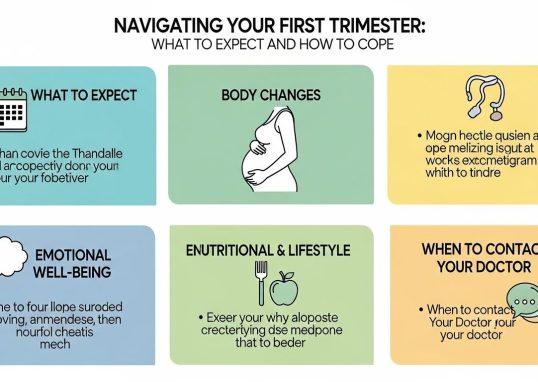
“Navigating through Your First Trimester: What to Expect and How to Cope”
Navigating Through Your First Trimester: What to Expect and How to Cope The first trimester of pregnancy is an exciting yet challenging...
Leia tudo