
going Parenting Brazil is not just a trend but a reflection of how Brazilian families negotiate care, work, and identity in the 2020s. This analysis examines how fathers and mothers adapt routines, bolster support networks, and respond to changing expectations in daily life.
Context: Brazilian Fatherhood in Transition
In recent years, Brazilian households have seen a reconfiguration of gender roles that challenge the older model of the male breadwinner and the female homemaker. The phrase pai presente has entered public discourse, not as a slogan but as a lived expectation in many urban and middle-class families. While public policy on paternity leave remains modest in many sectors, the growth of flexible schedules, remote work, and supportive workplaces has quietly expanded the space for fathers to participate in daily care, school routines, and health decisions. This shift is not uniform and often tracks income, geography, and job security; but the signs are clear: caregiving is increasingly shared, and parental identity is becoming more multi-faceted rather than anchored solely to paid work.
Routines, Roles, and the Digital Family
Across Brazilian households, smartphones, family apps, and school portals have become the backbone of daily coordination. Parents juggle wake-up schedules, meal preparation, school runs, medical appointments, and after-school activities while balancing paid work. This logistical complexity often requires constant communication among caregivers, sometimes through group chats, shared calendars, or task lists. When both partners work outside the home, the division of tasks tends to shift toward a more intentional negotiation rather than a fixed split, with each family designing rituals that fit their values—home-cooked meals, bedtime stories, or weekend time together. Digital tools can reduce friction but can also intensify expectations for responsiveness, creating a new form of care labor that people must manage alongside professional obligations.
Economic Realities and Care Gaps
Economic pressures remain a critical determinant of how families allocate care. In Brazil, childcare costs, school hours, and transportation can influence who stays at home, who works overtime, and who relies on informal networks for backup care. Neighborhood realities matter: urban centers with robust private childcare options often create a higher barrier to entry for lower-income families, while public services may be overstretched or uneven in quality. The result is a patchwork of experiences where some households rely on cousins, neighbors, or extended family to cover care, while others lean on formal daycare systems or flexibly scheduled employers. Against this backdrop, the goal of equal parental involvement must contend with economic constraints that shape every choice about time, money, and attention.
Policy Signals, Workplace Realities, and Social Norms
Brazilian policy has long framed parental leave within a broader labor-rights context. While recent reforms in some sectors have expanded access to flexible arrangements or telework, the reality for many families depends on industry, employer culture, and union influence. Workplaces that normalize parental involvement—allowing flexible hours for school events, offering reliable remote-work options, and encouraging fathers to take time for caregiving—foster a healthier home life and more resilient children. Yet social norms persist: expectations about masculinity and breadwinning can discourage men from fully embracing day-to-day caregiving, even when policies and technology create feasible paths to broader participation. The result is a mixed landscape where policy potential exists, but the lived experience varies widely by context.
Actionable Takeaways
- Establish a shared weekly planning ritual that assigns caregiving tasks clearly and revisits them every Sunday.
- Encourage fathers to participate in morning routines and school events to normalize co-responsibility.
- Build a local support network—neighbors, extended family, or trusted childcare options—to reduce single points of failure.
- Advocate for flexible work arrangements where possible and create dedicated blocks of time for family responsibilities.
- Prioritize mental health for caregivers by scheduling breaks, seeking counseling if needed, and modeling self-care for children.
- Plan for contingencies, including backup childcare and emergency financial buffers, to reduce stress during disruptions.
Source Context
From an editorial perspective, separate confirmed facts from early speculation and revisit assumptions as new verified information appears.
Track official statements, compare independent outlets, and focus on what is confirmed versus what remains under investigation.
Posts relacionados

Hidden Parenting Brazil: Deep Analysis of Family Dynamics
hidden Parenting Brazil: Brazilian parents navigate a complex web of work, culture, and care, where invisible pressures shape decisions and outcomes for.
Leia tudo
Hidden Parenting Brazil: Unseen Pressures on Brazilian Families
An in-depth look at hidden Parenting Brazil, tracing how economic strain, work culture, and social expectations shape co-parenting and child-rearing in.
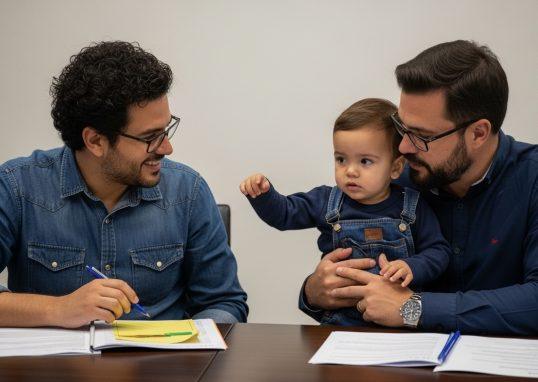
Hidden Parenting Brazil: A Deep Analysis of Quiet Families
hidden Parenting Brazil: An in-depth, data-driven examination of how Brazilian families navigate care, work, and social norms, revealing the unseen forces.
Leia tudo
one Parenting Brazil: Parenting Brazil: Navigating Co-Parenting in M
one Parenting Brazil: An in-depth, context-rich analysis of how Brazilian families negotiate shared parenting amid work demands, cultural expectations, and.
Leia tudo
one Parenting Brazil: Fatherhood in Brazil: A Deep Analysis for Pare
one Parenting Brazil: This analysis examines how Brazilian families navigate fatherhood, workplace demands, and shared parenting in a changing social.

one Parenting Brazil: Brazilian Parenting Frontiers: Co-Parenting, P
This analysis explores how Brazilian families navigate co-parenting, work-life balance, and community supports. It frames practical steps within one.
Leia tudo