
Going Parenting Brazil is not a single trend but a mirror of how Brazilian families navigate work, care, and growth in a fast-changing society. This analysis examines how policy, culture, and technology intersect to shape fathers’ and mothers’ roles, and what it means for children across urban centers and the rural interior.
Context and caregiving in Brazil
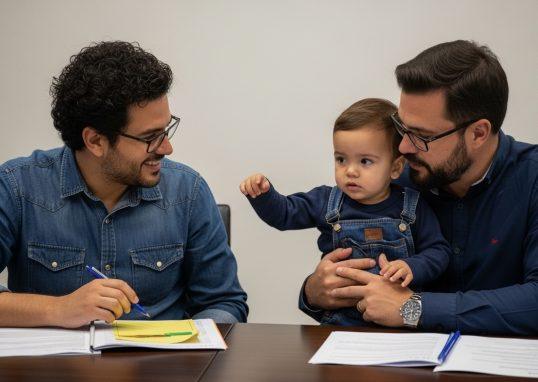
Brazilian households often rely on a mix of family networks, formal care, and community supports. In many regions, mothers remain the primary caregivers, but a growing number of fathers are carving out intentional roles beyond weekend duties. This shift is not simply personal choice; it’s linked to evolving work cultures, access to parental leave, and the rising visibility of early-childhood education as a public concern. Where public childcare slots exist, they can be a relief for working parents; where they don’t, families improvise with relatives, neighborhood networks, or private centers. The result is a patchwork system that places responsibility on caregivers while also developing social norms around shared parenting. The outcome for children hinges on consistency, emotional presence, and stable routines, regardless of whether care is provided at home or in a center.
Policy, work-life balance, and cultural shifts
Policy environments influence what families can reasonably expect from employers and government programs. In Brazil, as in many economies, flexible work arrangements, parental leave policies, and employer-provided benefits shape daily life. When mothers return to the workforce, they often balance new schedules with school pickups, while fathers increasingly participate in morning routines, doctor visits, and weekend learning activities. This trend is not a uniform wave across all regions; it travels unevenly, reflecting urban versus rural realities, the cost of living, and the availability of affordable child care. The cultural shift toward shared parenting is gradual, and its pace depends on conversations within households, workplaces, and community networks. For many families, the practical question is not who should do the caregiving but how to preserve emotional connections and developmental opportunities in a busy life.
Technology, media, and parenting choices
Digital tools shape daily parenting in significant ways. Mobile apps help parents track milestones, coordinate schedules with partners, and access credible information, yet they also risk spreading misinformation or encouraging over-optimization of child development. The Brazilian context includes a wide digital divide: urban families with high-speed connections can leverage telehealth, online parenting communities, and virtual early-education programs, while others rely on print materials or in-person advice. Fathers and mothers alike are navigating screens as both a resource and a potential distraction, balancing screen time with offline play, family conversations, and outdoor activity. Schools and clinics increasingly rely on digital platforms for communication, but robust data privacy and child protection practices must keep pace with rapid adoption.
Actionable Takeaways
- Review your workplace’s parental leave and flexible work options, and coordinate with your partner to share caregiving duties in a measurable way.
- Prioritize consistent routines and quality time with children, even on busy days, to support emotional security and development.
- Explore affordable, quality early-childhood options and build a support network with family, neighbors, or community programs.
- Vet information online carefully; cross-check advice with trusted sources and discuss questions with pediatricians or educators.
- Discuss gender role expectations openly at home to prevent burnout and to model collaborative parenting for children.
Source Context
From an editorial perspective, separate confirmed facts from early speculation and revisit assumptions as new verified information appears.
Track official statements, compare independent outlets, and focus on what is confirmed versus what remains under investigation.
For practical decisions, evaluate near-term risk, likely scenarios, and timing before reacting to fast-moving headlines.
Use source quality checks: publication reputation, named attribution, publication time, and consistency across multiple reports.
Cross-check key numbers, proper names, and dates before drawing conclusions; early reporting can shift as agencies, teams, or companies release fuller context.
When claims rely on anonymous sourcing, treat them as provisional signals and wait for corroboration from official records or multiple independent outlets.
Posts relacionados

Hidden Parenting Brazil: Deep Analysis of Family Dynamics
hidden Parenting Brazil: Brazilian parents navigate a complex web of work, culture, and care, where invisible pressures shape decisions and outcomes for.
Leia tudo
Hidden Parenting Brazil: Unseen Pressures on Brazilian Families
An in-depth look at hidden Parenting Brazil, tracing how economic strain, work culture, and social expectations shape co-parenting and child-rearing in.
Hidden Parenting Brazil: A Deep Analysis of Quiet Families
hidden Parenting Brazil: An in-depth, data-driven examination of how Brazilian families navigate care, work, and social norms, revealing the unseen forces.
Leia tudo
one Parenting Brazil: Parenting Brazil: Navigating Co-Parenting in M
one Parenting Brazil: An in-depth, context-rich analysis of how Brazilian families negotiate shared parenting amid work demands, cultural expectations, and.
Leia tudo
one Parenting Brazil: Fatherhood in Brazil: A Deep Analysis for Pare
one Parenting Brazil: This analysis examines how Brazilian families navigate fatherhood, workplace demands, and shared parenting in a changing social.

one Parenting Brazil: Brazilian Parenting Frontiers: Co-Parenting, P
This analysis explores how Brazilian families navigate co-parenting, work-life balance, and community supports. It frames practical steps within one.
Leia tudo