
The concept of meta Parenting Brazil helps explain how Brazilian families navigate caregiving, work, and technology in the 2020s. This analysis places domestic life within larger economic and social currents, offering a practical view for parents seeking steadiness in a fast-changing environment.
The Brazilian family landscape today
Across urban and rural Brazil, families balance formal employment with caregiving responsibilities that often rely on a web of relatives and community networks. In many cities, parents juggle long commutes, irregular shifts, or flexible gigs while trying to ensure consistent routines for children. The result is a parental calendar that prioritizes safety, timeliness, and learning opportunities, even when resources are stretched. Public services, school calendars, and after-school programs shape choices at the household level, while regional differences—income, housing, and access to reliable childcare—drive divergent parenting paths.
These dynamics are not merely domestic: they influence how children learn, how trust is built within families, and how households model resilience. In the short term, families adapt; in the long term, educators and policymakers watch for patterns in language development, social skills, and mental well-being linked to parental time and digital exposure.
Economic pressure, work-life balance, and parenting choices
Brazil’s economy has cyclical ups and downs, and households respond with a mix of budgeting, wage-earner decisions, and discretionary trade-offs. When inflation erodes purchasing power, families may extend work hours, consolidate caregiving tasks, or prioritize essential expenses over enrichment activities. For many, the result is a tightened schedule that compresses family time and elevates the importance of dependable routines—bedtime, meals, and study habits—that travel with them through busy weeks.
Work-life balance becomes a practical calculus: who stays home with a sick child, who can work remotely, and how to arrange childcare that aligns with school timetables. In households where both parents work, grandparents or trusted neighbors often become de facto caregivers, preserving continuity even as formal support systems face capacity limits. The net effect is that parenting choices increasingly hinge on predictable care, safe environments, and reliable income, with children absorbing the rhythm of this negotiation.
Digital boundaries and teen development
Smartphones and social platforms are embedded in Brazilian youth culture, shaping friendships, learning, and a sense of identity. Parents confront a spectrum of issues—from screen-time boundaries and content filters to online privacy and cyberbullying risk. The challenge is not simply to restrict access but to cultivate digital literacy: helping children discern reliable information, protect personal data, and participate in online spaces that feel safe and constructive.
Policy environments, such as data-protection laws and school-based digital literacy programs, intersect with family routines. Parents who model calm, consistent conversations about online life tend to see higher trust and cooperation from teens, reducing friction around restrictions and encouraging responsible experimentation with technology.
Policy and practical guidance for Brazilian parents
Parents benefit from a pragmatic toolkit that translates national debates into home-ready steps. Practical guidance prioritizes daily routines, open dialogue, and collaborative decision-making with children about screen time, sleep, and homework. Schools and community centers can reinforce these messages with consistent expectations across home and classroom environments.
Key moves include establishing predictable schedules for meals and bedtime, creating device-free zones for family time, engaging children in age-appropriate budgeting and chores, and using joint goals to celebrate progress. When conflicts arise, families who approach disagreements with curiosity, rather than punishment, tend to sustain trust and encourage positive risk-taking within safe boundaries.
Actionable Takeaways
- Set a consistent daily routine that includes meals, sleep, and screen-free family time to strengthen attachment and predictability.
- Establish clear, age-appropriate digital boundaries and involve children in negotiating reasonable limits and privacy expectations.
- Prioritize open conversations about finances, work pressures, and caregiving plans to model transparency and resilience.
- Coordinate with schools and communities to access reliable childcare, after-school programs, and digital literacy resources.
- Document simple family rituals and learning moments to reinforce values and language development under different schedules.
Source Context
From an editorial perspective, separate confirmed facts from early speculation and revisit assumptions as new verified information appears.
Posts relacionados

Hidden Parenting Brazil: Unseen Pressures on Brazilian Families
An in-depth look at hidden Parenting Brazil, tracing how economic strain, work culture, and social expectations shape co-parenting and child-rearing in.
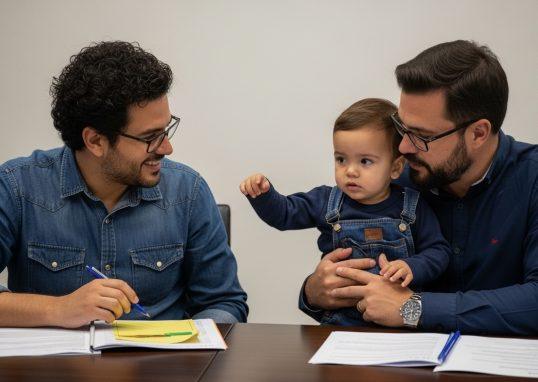
Hidden Parenting Brazil: A Deep Analysis of Quiet Families
hidden Parenting Brazil: An in-depth, data-driven examination of how Brazilian families navigate care, work, and social norms, revealing the unseen forces.
Leia tudo
one Parenting Brazil: Parenting Brazil: Navigating Co-Parenting in M
one Parenting Brazil: An in-depth, context-rich analysis of how Brazilian families negotiate shared parenting amid work demands, cultural expectations, and.
Leia tudo
one Parenting Brazil: Fatherhood in Brazil: A Deep Analysis for Pare
one Parenting Brazil: This analysis examines how Brazilian families navigate fatherhood, workplace demands, and shared parenting in a changing social.

one Parenting Brazil: Brazilian Parenting Frontiers: Co-Parenting, P
This analysis explores how Brazilian families navigate co-parenting, work-life balance, and community supports. It frames practical steps within one.
Leia tudo
one Parenting Brazil: Brazilian Parenting in Focus: Deep Analysis of
one Parenting Brazil: An in-depth, practice-oriented look at how Brazilian families navigate work, care, and culture, offering actionable insights for.
Leia tudo