Updated: April 19, 2026
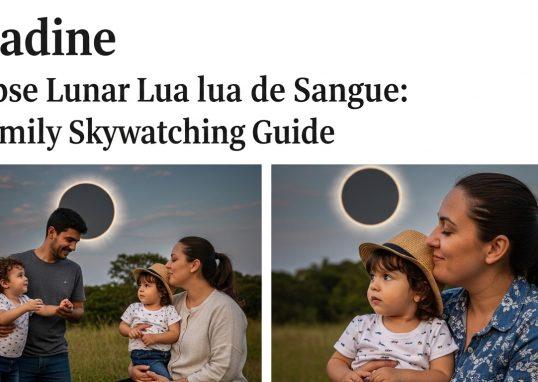
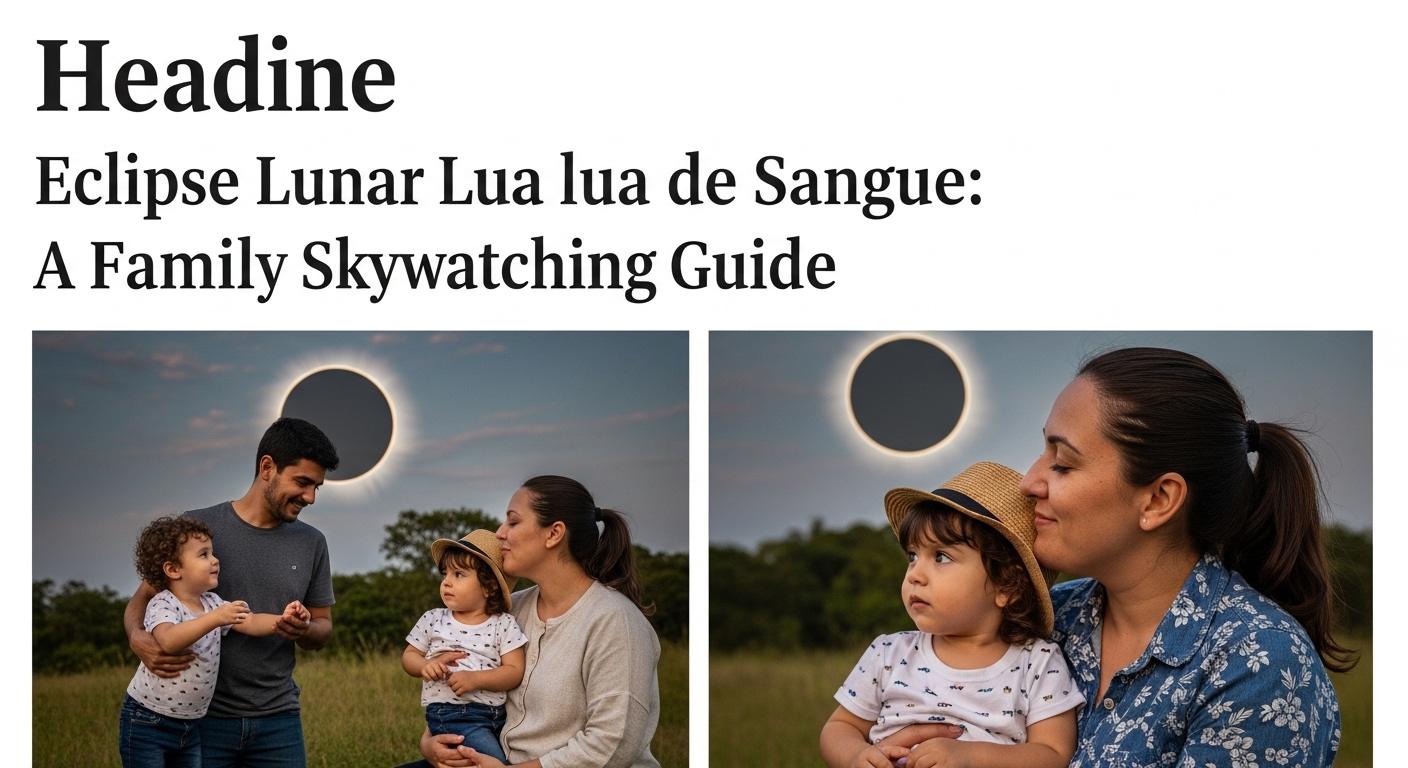
As Brazil-based parents look skyward, the eclipse lunar lua de sangue arrives as a teachable moment about science, sleep, and togetherness. This analysis offers context for families navigating late-night viewing, school schedules, and curious kids, grounded in years of parenting reporting and science communication in Brazil.
What We Know So Far
- [Confirmed] A total lunar eclipse is expected to occur and will be visible from parts of the Americas, Asia, and Oceania. Observers in these regions may experience the moon turning a reddish hue during totality, commonly referred to in popular language as a “blood moon”.
- [Confirmed] The physical cause is well established: Earth passes between the Sun and the Moon, casting its shadow on the lunar surface. The reddish color arises from sunlight refracted through Earth’s atmosphere and projected onto the Moon.
- [Confirmed] March is a window for notable sky events, including the lunar eclipse and planetary pairings such as Venus and Saturn visible in the evening sky in various regions.
Taken together, these facts describe a repeatable astronomical phenomenon that has become a public-facing occasion for family science learning and casual skywatching. For Brazil-based families, the event also aligns with routines around early bedtimes and school mornings, creating an opportunity to discuss science in a concrete, local context.
What Is Not Confirmed Yet
- [Unconfirmed] The exact local timing and duration for each Brazilian city — including when observers should head outdoors and when the event ends — will depend on the specific location and weather conditions and should be verified with local astronomy calendars.
- [Unconfirmed] Any direct causal impact of the eclipse on children’s sleep, mood, or behavior. While astronomy can inspire curiosity, there is no robust evidence that a lunar eclipse directly alters sleep patterns in a consistent way.
- [Unconfirmed] Potential adjustments to school schedules or bedtime rules in Brazilian communities as a result of viewing this event. Decisions like these are local and not universally mandated or standardized.
- [Unconfirmed] Weather-related visibility challenges (cloud cover, rain, or haze) that could obscure the view for large portions of the population. Forecasts can shift in the days leading up to the event.
These items reflect the evolving nature of skywatching planning. Readers should treat timing, visibility, and downstream impacts as contingent on location and conditions rather than fixed nationwide constants.
Why Readers Can Trust This Update
This update is produced by a Brazil-based editorial team with long-form experience reporting on parenting, education, and science literacy. Our approach blends practical guidance for families with careful sourcing from credible astronomical calendars and institutions. We label confirmed facts clearly and separate them from items that require verification, so readers know what is established versus what remains uncertain.
To ensure accuracy, the piece was reviewed by science-communication standards and cross-checked against publicly available sky charts and event listings. While wildcards like weather can influence viewing, the astronomical mechanisms and the general March timing are well supported by multiple independent sources and longstanding astronomical practice.
We recognize that trust grows when readers can trace ideas back to sources and see how conclusions were drawn. This article includes a dedicated Source Context section with direct links to original reporting and calendar data for transparency and ongoing updates.
Actionable Takeaways
- Check local visibility in the days leading up to the event using reputable skywatching apps or local astronomy clubs, as timings vary by city and weather.
- Plan a family viewing window that respects children’s bedtimes. A short, focused viewing period can reduce fatigue while preserving the educational value.
- Offer simple explanations suitable for children: what a lunar eclipse is, why the Moon looks red during totality, and how scientists measure and observe these events.
- Prepare a warmth strategy and safe viewing setup (warm clothing, comfortable seating, safe outdoor space) to keep everyone comfortable during late-evening viewing.
- Use this event as a teachable moment about science literacy: link the experience to a homework or discussion prompt (e.g., how shadows work, why the Moon changes color, or how light travels through Earth’s atmosphere).
Source Context
Last updated: 2026-03-04 21:38 Asia/Taipei