Updated: April 15, 2026
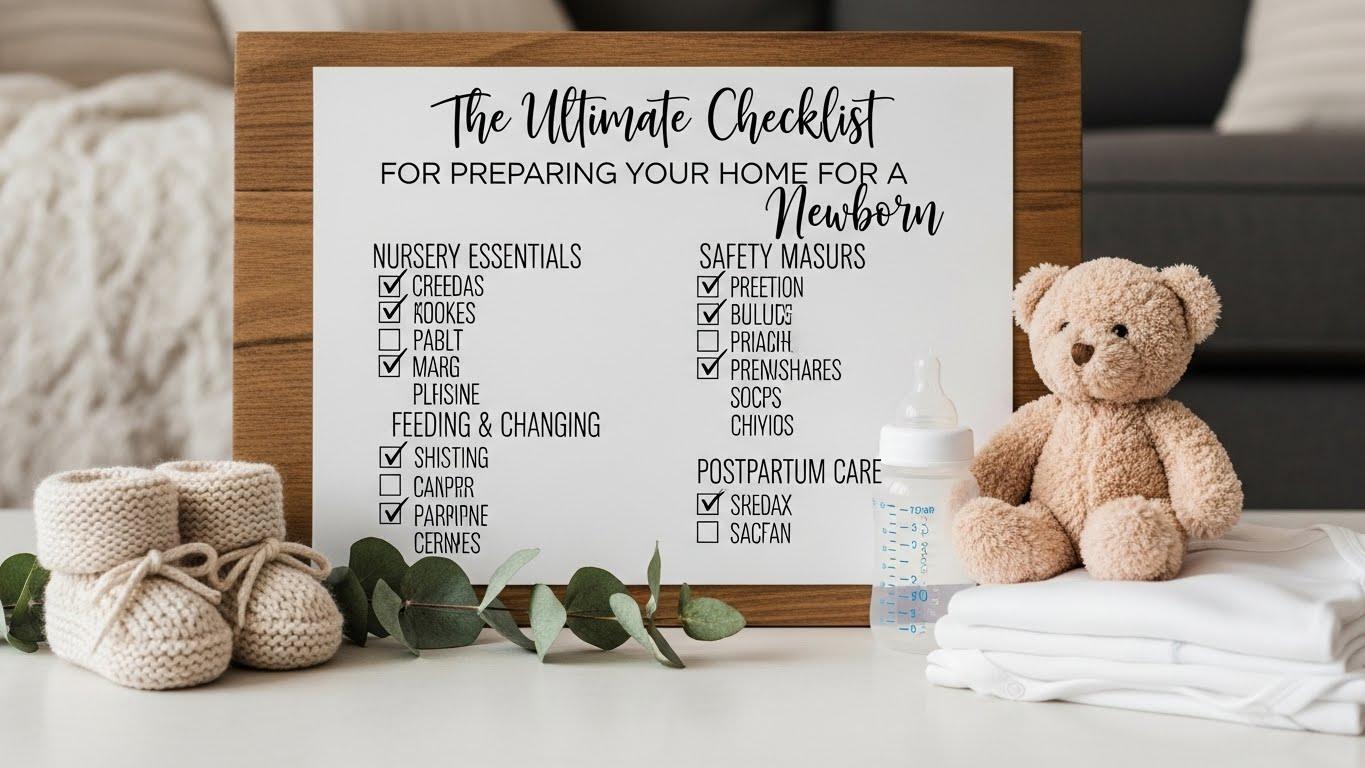
The Ultimate Checklist for Preparing Your Home for a Newborn
Welcoming a newborn into your home is an exciting and transformative experience. However, preparing your home to ensure it’s safe, comfortable, and nurturing for your baby can be a complex task. This comprehensive checklist will guide you through the necessary steps to get your home ready for your little one’s arrival, helping you focus on what truly matters in those first precious days.
Creating a Safe Nursery
A well-prepared nursery is crucial for your baby’s safety and your peace of mind. Here’s what you need to consider:
- Crib Safety: Ensure that the crib meets current safety standards. The slats should be no more than 2 3/8 inches apart to prevent your baby from slipping through.
- Mattress: Choose a firm, snug-fitting mattress. The American Academy of Pediatrics recommends a firm sleep surface to reduce the risk of SIDS.
- Bedding: Avoid pillows, quilts, and stuffed animals in the crib. Use a fitted sheet made specifically for your crib mattress.
- Room Temperature: Maintain a comfortable room temperature between 68-72°F to keep your newborn warm but not overheated.
- Window Safety: Install window guards and ensure that cords from blinds or curtains are out of reach.
Stocking Up on Essentials

Having the right supplies on hand will make your life much easier once your baby arrives. Here’s a list of essentials:
- Diapers and Wipes: Stock up on newborn-sized diapers and hypoallergenic wipes. Consider purchasing a diaper pail with a lid to contain odors.
- Clothing: Acquire a variety of clothing items such as onesies, sleepers, and socks. Remember that babies grow quickly, so avoid buying too much in one size.
- Feeding Supplies: If you’re breastfeeding, invest in a quality breast pump and storage bags. For formula feeding, have bottles, nipples, and a formula dispenser ready.
- Bathing Supplies: Purchase a baby bathtub, mild baby soap, and soft washcloths. Ensure the water temperature is just right by using a bath thermometer.
- Health and Grooming Kits: These kits typically include nail clippers, a thermometer, and a nasal aspirator, all essential for newborn care.
Organizing Your Space
Organizing your home will help you manage the demands of caring for a newborn. Consider these tips to optimize your living space:
- Declutter: Remove unnecessary items from common areas to create a safe environment for your baby to explore as they grow.
- Designate a Feeding Station: Set up a comfortable chair with a side table for nursing or bottle-feeding, equipped with a lamp, water bottle, and burp cloths.
- Set Up a Changing Area: Equip a dresser or dedicated changing table with diapers, wipes, creams, and spare clothes.
- Install Storage Solutions: Use baskets, bins, and shelves to organize toys, books, and baby gear in an easily accessible way.
Ensuring Baby Safety Throughout the Home
Babyproofing your entire home is essential to protect your newborn and provide a secure environment. Here are some key steps:
- Install Safety Gates: Use gates to block staircases and other hazardous areas. Look for gates that are secure and easy for adults to open.
- Secure Furniture: Anchor heavy furniture and televisions to the wall to prevent tipping, especially when your baby becomes mobile.
- Outlet Covers: Use outlet covers or plates to prevent your baby from sticking fingers or objects into electrical sockets.
- Cabinet Locks: Install cabinet locks in kitchens and bathrooms to keep cleaning supplies and medications out of reach.
- Check for Choking Hazards: Regularly inspect your home for small objects that could pose a choking risk, such as coins or buttons.
Preparing for Emergencies
While it’s important to focus on the joyful aspects of bringing your baby home, being prepared for emergencies is equally crucial. Here’s how:
- First Aid Kit: Have a well-stocked first aid kit that includes band-aids, antiseptic wipes, and baby-safe pain relievers.
- Emergency Contacts: Post a list of emergency numbers, including your pediatrician, poison control, and local hospital, in a visible location.
- Fire Safety: Ensure that smoke and carbon monoxide detectors are functional and have a fire extinguisher readily accessible.
- CPR Training: Consider taking a CPR class to learn how to perform infant CPR and handle choking incidents.
Planning for Parental Well-being
While preparing your home for your newborn, it’s vital to consider your own needs as parents. Here are some tips to ensure you’re ready for this new chapter:
- Set Up a Support System: Arrange for help from family or friends during the initial weeks to give yourself time to rest and adjust.
- Prepare Meals in Advance: Cook and freeze meals ahead of time or consider meal delivery services for the first few weeks.
- Focus on Self-Care: Prioritize your mental and physical health by creating a schedule that includes time for rest, exercise, and relaxation.
- Communicate with Your Partner: Discuss and divide responsibilities to ensure both partners are actively involved in baby care.
Takeaways
Preparing your home for a newborn involves a blend of practicality, safety, and emotional readiness. By following this ultimate checklist, you’ll create a welcoming environment that prioritizes your baby’s well-being while also supporting your transition into parenthood. Remember, each family is unique, and your preparations should reflect what works best for you. Embrace the journey ahead with confidence and joy, knowing that your home is ready to nurture your growing family.
As you embark on this remarkable journey, it’s essential to recognize the fluidity and adaptability required in parenthood. Preparing your home is just the beginning; the true essence lies in the ongoing process of learning and adjusting as your baby grows and develops. Here are some additional tips and insights to further enhance your readiness:
Creating a Calming Environment
Beyond physical safety, creating a calming and nurturing environment can significantly impact your baby’s development and your family’s overall well-being:
- Lighting and Ambiance: Consider installing dimmers in the nursery to create a soothing atmosphere during nighttime feedings and diaper changes.
- Sound Machines: A white noise machine can mimic the comforting sounds of the womb, helping your baby sleep more soundly.
- Aromatherapy: Use a diffuser with baby-safe essential oils like lavender to promote relaxation and sleep.
- Personal Touches: Add personal elements, such as family photos or hand-made decorations, to make the nursery feel like a cozy extension of your home.
Educating Yourself and Others
Knowledge is empowering, and the more you know, the better prepared you will be to handle the challenges of parenthood:
- Parenting Classes: Consider signing up for parenting classes to gain insights into newborn care, breastfeeding, and more.
- Read Books and Articles: Equip yourself with a variety of parenting books and articles to understand the different approaches to raising a child.
- Join Support Groups: Connect with other parents through local or online support groups to share experiences and advice.
- Communicate with Caregivers: If you have additional caregivers, ensure they are educated about your baby care preferences and routines.
Adapting to Changing Needs
Your newborn’s needs will evolve rapidly, and staying adaptable is key to maintaining a smooth and joyful parenting experience:
- Monitor Developmental Milestones: Keep track of milestones such as rolling over, crawling, and walking to anticipate changes in your baby-proofing needs.
- Adjust Feeding and Sleep Routines: As your baby grows, their feeding and sleep patterns will change. Be ready to adapt your routines to accommodate these shifts.
- Rotate Toys and Books: Regularly update the selection of toys and books to keep your baby engaged and support their cognitive development.
- Stay Informed: Continuously seek out the latest research and recommendations related to child health and safety from trusted sources such as the American Academy of Pediatrics.
Embracing the Emotional Journey
The emotional aspects of welcoming a newborn are profound and encompass both challenges and joys. Here are ways to embrace and navigate this emotional journey:
- Acknowledge Your Feelings: Feelings of anxiety, excitement, and even overwhelm are normal. Allow yourself to experience and process these emotions without judgment.
- Build a Support Network: Surround yourself with supportive family, friends, and community members who can offer guidance and encouragement.
- Practice Mindfulness and Patience: Engage in mindfulness practices to stay present and patient amid the unpredictable nature of parenting.
- Celebrate Small Wins: Focus on daily successes, no matter how small, to build confidence and maintain a positive outlook.
Conclusion: Embrace the Journey
As you prepare your home for your newborn, remember that the ultimate goal is to create a loving and nurturing environment for your growing family. By following this comprehensive checklist, you’ve taken significant steps toward ensuring your home is ready for this beautiful new chapter. Parenthood is a continuous journey of growth, adaptation, and unconditional love. Embrace every moment, knowing that you are equipped with the knowledge and resources to provide the best possible start for your baby.
Remember, every family’s journey is unique, and there is no one-size-fits-all approach. Trust your instincts, seek support when needed, and most importantly, cherish the precious moments with your newborn. Your home is not just a physical space; it is a sanctuary of love, learning, and discovery for your baby and for you as parents. Enjoy every step of this incredible adventure.
Related Posts

Women deliver babies on the road and under fire as catastrophe grips Sudan’s Aj Jazirah State
As violence intensifie...


“Post-Pregnancy Recovery: Physical and Emotional Wellness Strategies for New Mothers”
Understanding Post-Pre...
Read out all
“Navigating through Your First Trimester: What to Expect and How to Cope”
Navigating through You...
Read out all
“Navigating through Your First Trimester: What to Expect and How to Cope”
Navigating Through You...
Read out all