Updated: April 15, 2026
Navigating Through Your First Trimester: What to Expect and How to Cope
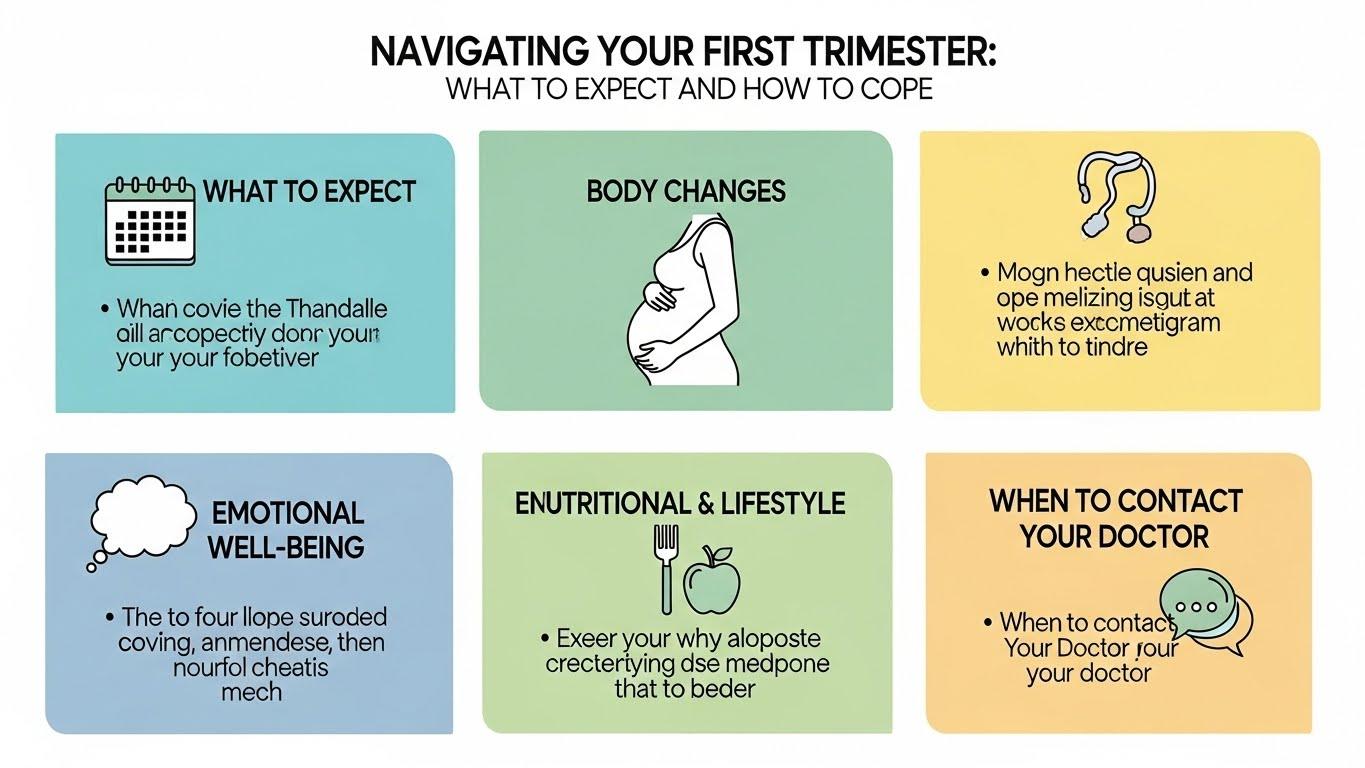
The first trimester of pregnancy is an exciting yet challenging time for many expectant mothers. As your body starts to undergo significant changes, you might experience a mix of emotions and symptoms that can be both thrilling and overwhelming. Understanding what to expect during this period can help ease your mind and prepare you for the journey ahead. In this comprehensive guide, we’ll explore the various aspects of the first trimester, offering insights and coping strategies to make it through these initial months with confidence and ease.
Understanding the First Trimester
The first trimester spans from week 1 to week 12 of pregnancy. During this time, your body is hard at work creating an environment to nourish and protect your developing baby. It’s a period marked by rapid changes, both physically and emotionally. A reliable source provides detailed insights into the biological transformations occurring during these early weeks.
Common Symptoms and How to Manage Them
Morning Sickness
One of the most notorious symptoms of the first trimester is morning sickness, which can occur at any time of day. This nausea, sometimes accompanied by vomiting, can range from mild to severe. To manage morning sickness, consider eating small, frequent meals, avoiding spicy or fatty foods, and staying hydrated. Ginger tea or ginger candies might also help soothe your stomach.
Fatigue
Extreme tiredness is another common symptom during the first trimester. Your body is using a lot of energy to support the growing fetus, which can leave you feeling exhausted. Prioritize rest and sleep, and don’t hesitate to take naps if needed. Light exercise, such as walking or prenatal yoga, can also boost your energy levels.
Breast Changes
Many women experience breast tenderness and enlargement during the first trimester. This is due to hormonal changes in preparation for breastfeeding. Wearing a supportive bra and using warm or cold compresses can alleviate discomfort.

Emotional Rollercoaster: Coping with Mood Swings
Hormonal fluctuations can lead to mood swings during the first trimester. It’s not uncommon to feel joyful one moment and anxious the next. Acknowledging these emotions and discussing them with your partner or friends can provide relief. Engaging in relaxing activities such as meditation or reading can also help stabilize your mood.
Diet and Nutrition: Fueling Your Body
Proper nutrition is vital during the first trimester to support your health and your baby’s growth. A balanced diet rich in essential nutrients is crucial. Focus on consuming plenty of fruits, vegetables, whole grains, lean proteins, and dairy. Prenatal vitamins, particularly those containing folic acid, are also recommended to prevent birth defects.
Cravings and aversions are common, so try to find healthy alternatives to satisfy your cravings while maintaining nutritional balance. Consulting with a healthcare provider or nutritionist can provide personalized dietary guidance.
Medical Appointments and Tests
Regular medical check-ups are essential during the first trimester. Your healthcare provider will likely schedule your first prenatal visit around weeks 8-10. During this appointment, they’ll conduct a thorough assessment of your health and the baby’s development. Tests might include blood work, urine analysis, and potentially an ultrasound.
It’s also a good time to discuss any concerns or symptoms you’re experiencing. Keeping a list of questions or symptoms can help ensure you don’t forget anything important during your visit.
Lifestyle Adjustments: Making Healthy Choices
Pregnancy often necessitates changes in lifestyle to ensure a safe and healthy environment for your baby. Avoiding harmful substances like alcohol, tobacco, and certain medications is crucial. If you’re a smoker, seek support to quit, as smoking can lead to complications such as low birth weight and preterm labor.
Engaging in safe physical activities, such as walking or swimming, can promote overall well-being. Always consult with your healthcare provider before starting any new exercise regimen during pregnancy.
Preparing for Parenthood: The Emotional Journey
Beyond the physical changes, the first trimester is also a time to begin preparing emotionally for parenthood. This might involve discussing parenting styles with your partner, considering childcare options, and even thinking about how your home environment might need to change.
Connecting with other expectant parents through prenatal classes or online forums can provide a sense of community and support. Sharing experiences and advice can be incredibly reassuring and offer a wealth of practical tips for navigating pregnancy.
Conclusion: Embracing the First Trimester
The first trimester is a unique and transformative period in a woman’s life. By understanding what to expect and implementing coping strategies, you can navigate these early months with greater ease and confidence. Remember, every pregnancy is unique, and it’s important to listen to your body and seek support when needed. For more information on pregnancy and to connect with resources, consider visiting reputable organizations like the What to Expect website.
As you journey through your first trimester, embrace the changes and cherish the anticipation of the new life growing within you. With preparation, support, and care, you can enjoy this incredible experience and look forward to the exciting months ahead.
Building a Support Network
As you progress through your first trimester, building a support network can make a significant difference in how you experience your pregnancy. Surrounding yourself with supportive family, friends, and healthcare professionals can provide the emotional and practical support you may need.
Consider joining a local or online pregnancy support group. These groups can offer a sense of community and provide a space to share experiences, ask questions, and gather advice from others who are going through similar journeys. Websites like BabyCenter offer forums and resources that can connect you with other expectant parents.
Workplace Considerations
Balancing work and pregnancy can be challenging, especially during the first trimester when symptoms like fatigue and nausea are at their peak. It’s important to communicate with your employer about your pregnancy when you feel comfortable doing so, particularly if you need adjustments to your workload or schedule.
Review your workplace’s policies on maternity leave and any support they offer for pregnant employees. Understanding your rights and options can help you plan for the months ahead. If possible, seek advice from colleagues who have gone through similar experiences, as they can provide insights and tips on managing work while pregnant.
Partner Involvement: Sharing the Journey
Pregnancy is a shared journey, and involving your partner can enhance the experience for both of you. Encourage your partner to attend medical appointments and prenatal classes with you. This involvement can help them feel connected to the pregnancy and better understand the changes you’re going through.
Discussing expectations, fears, and hopes for parenthood can strengthen your relationship and ensure you’re on the same page as you prepare for the arrival of your baby. Simple activities like reading pregnancy books together or planning for your baby’s nursery can also foster a sense of teamwork and excitement.
Financial Planning: Preparing for the Future
Welcoming a new baby involves financial considerations, and the first trimester is an ideal time to start planning. Begin by reviewing your current budget and expenses to identify areas where you can save or reallocate funds for baby-related costs.
Research the costs associated with prenatal care, delivery, and newborn essentials. Creating a savings plan can provide peace of mind and ensure you’re financially prepared for the various expenses that come with parenthood. If needed, consult with a financial advisor to help you navigate budgeting and planning for your growing family.
Conclusion: Embracing Change and Looking Forward
The first trimester marks the beginning of an incredible journey filled with growth, change, and anticipation. By understanding what to expect, seeking support, and making thoughtful preparations, you can navigate these early weeks with confidence and joy. Remember to take care of yourself, listen to your body, and cherish this unique time as you look forward to the new life you’re bringing into the world.
As you progress through your pregnancy, continue to educate yourself and adapt to the changes, knowing that each step brings you closer to meeting your baby. For ongoing guidance and resources, refer to established organizations like the Office on Women’s Health, which offers comprehensive information on pregnancy and newborn care.
The first trimester is just the beginning of a transformative journey, and with the right tools and support, you can embrace the adventure ahead with positivity and excitement.
Understanding the Importance of Self-Care
The first trimester is an ideal time to prioritize self-care, establishing habits that will benefit you throughout your pregnancy and beyond. Self-care involves attending to your physical, emotional, and mental well-being, ensuring you are nurturing yourself just as you are preparing to nurture your baby.
Engage in activities that bring you joy and relaxation, whether it’s reading, taking long baths, or practicing mindfulness exercises. Consider incorporating gentle prenatal yoga or meditation into your routine to reduce stress and promote overall well-being. Rest is equally important, so allow yourself the time to sleep and recharge as your body undergoes significant changes.
Educating Yourself: Resources and Learning
Knowledge is empowering, and the first trimester is a great time to start learning about pregnancy, childbirth, and parenting. Numerous resources are available, from books and online articles to podcasts and webinars, offering insights into what you can expect in the months ahead.
Choose resources that resonate with you and your parenting style. Books like “What to Expect When You’re Expecting” provide comprehensive guidance, while online platforms such as Mayo Clinic’s Pregnancy Week by Week offer a week-by-week breakdown of what’s happening in your body and with your baby. Engaging in prenatal classes can also prepare you for the different stages of pregnancy and childbirth.
Exploring Birth Plans and Delivery Options
Although the first trimester might seem early to consider delivery options, it’s never too soon to start exploring your preferences for childbirth. Discussing your options with your healthcare provider can help you understand the different types of births, such as natural, medicated, or cesarean, and what each entails.
Consider what is most important to you in a birth experience, and start drafting a birth plan. This plan can serve as a guide for your healthcare team, outlining your preferences for labor, delivery, and postpartum care. Keep in mind that flexibility is key, as circumstances can change, and it’s important to prioritize the health and safety of both you and your baby.
Addressing Concerns and Common Questions
It’s natural to have questions and concerns during your first trimester, and addressing them early on can alleviate anxiety. Common concerns might include dietary restrictions, exercise safety, or symptoms that may require medical attention.
Maintain open communication with your healthcare provider, who can offer evidence-based advice and reassurance. It’s also helpful to connect with other expectant parents or those who have recently gone through pregnancy, as they can provide practical advice and share their experiences.
Looking Ahead: Anticipating the Second Trimester
As you near the end of your first trimester, you can look forward to the second trimester, often referred to as the “golden trimester.” Many women find relief from early pregnancy symptoms and enjoy increased energy levels and a growing bump.
The second trimester is a time when many parents choose to announce their pregnancy to family and friends, and it’s also a period when fetal development enters a crucial phase. Regular prenatal visits will continue, and you may have the opportunity to learn the sex of your baby, if you choose to do so.
Embrace the excitement and changes that come with the second trimester, and continue to prioritize your health and well-being. As you move forward, know that each step brings you closer to the moment when you’ll welcome your little one into the world.
With the right support, information, and preparation, you can navigate through your first trimester and beyond with confidence and joy, embracing the incredible journey of pregnancy and motherhood.
Related Posts

Women deliver babies on the road and under fire as catastrophe grips Sudan’s Aj Jazirah State
As violence intensifie...



“Post-Pregnancy Recovery: Physical and Emotional Wellness Strategies for New Mothers”
Understanding Post-Pre...
Read out all
“Navigating through Your First Trimester: What to Expect and How to Cope”
Navigating through You...
Read out all
“The Ultimate Checklist for Preparing Your Home for a Newborn”
The Ultimate Checklist...
Read out all