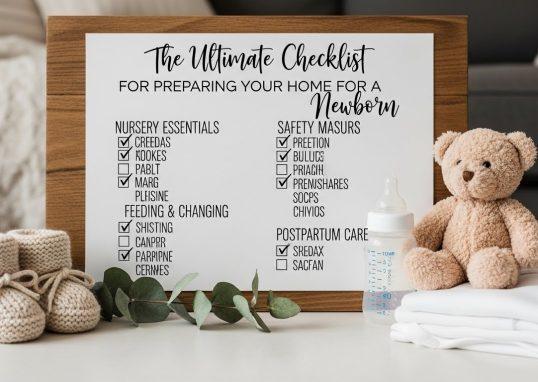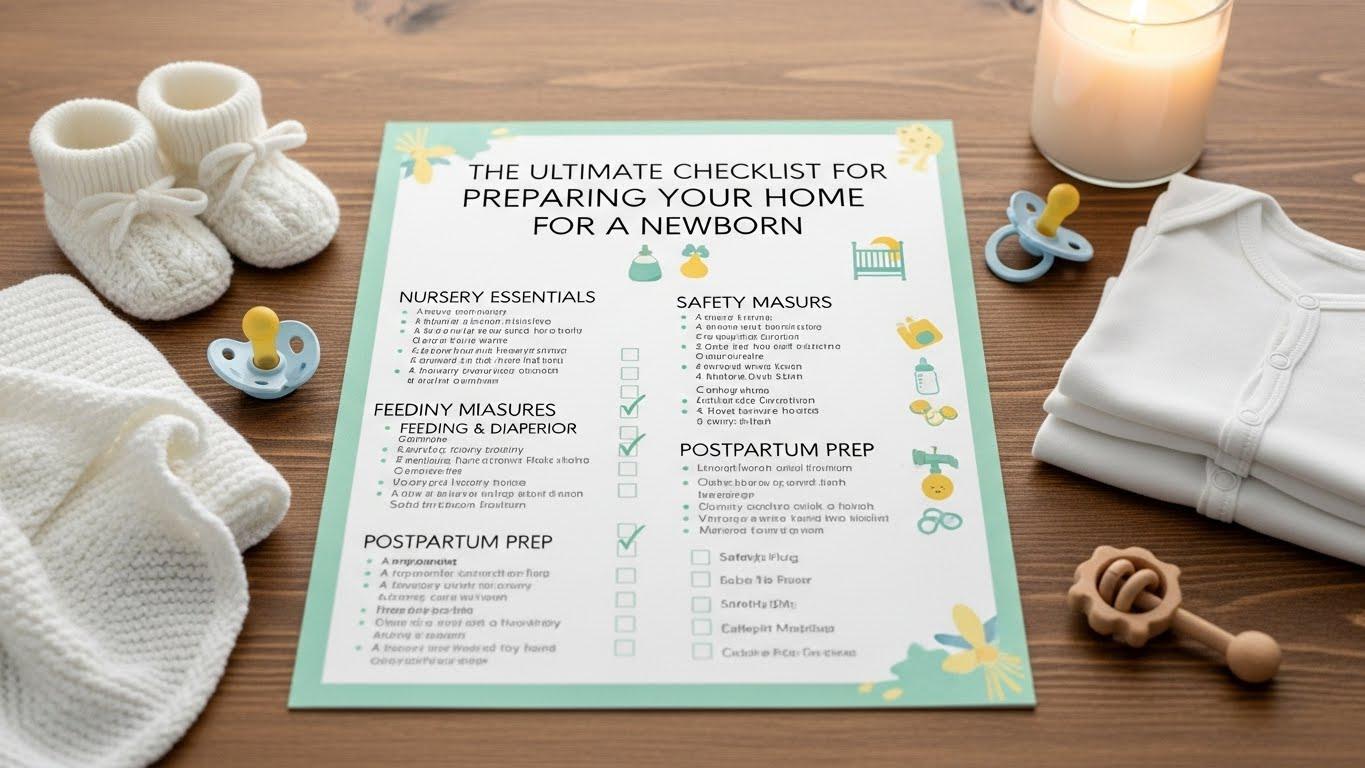
The Ultimate Checklist for Preparing Your Home for a Newborn
Welcoming a newborn into your home is an exciting and life-changing event. However, it also requires careful preparation to ensure that your home is ready for the newest member of your family. From creating a safe nursery to stocking up on essential supplies, there are numerous details to consider. This ultimate checklist will guide you through every step of preparing your home, so you can focus on enjoying the precious moments with your baby.
1. Setting Up the Nursery
The nursery is the heart of your newborn’s home environment. It’s where your baby will sleep, play, and spend a significant amount of time in their early months. Here are key elements to consider:
- Crib and Mattress: Choose a crib that meets current safety standards, with slats no more than 2 3/8 inches apart. The mattress should be firm and fit snugly within the crib.
- Bedding: Keep it simple. A fitted sheet is all you need. Avoid pillows, blankets, and stuffed animals in the crib to prevent SIDS.
- Changing Table: Ensure it has a safety strap and storage for diapers, wipes, and creams. Keep everything within arm’s reach.
- Storage Solutions: Use baskets, bins, and shelves to organize clothes, toys, and books.
- Lighting: Install a dimmer switch or use a soft nightlight to create a calming atmosphere for nighttime feedings and diaper changes.

2. Babyproofing Your Home
While your newborn won’t be crawling around just yet, it’s never too early to start babyproofing your home. Consider the following safety measures:
- Electrical Outlets: Cover unused outlets with safety plugs to prevent curious fingers from finding their way in.
- Cupboard Locks: Install locks on lower cupboards, especially those containing cleaning supplies or sharp objects.
- Stair Gates: Use gates at the top and bottom of stairs to prevent falls.
- Cord Safety: Keep blind and curtain cords out of reach to prevent strangulation hazards.
- Furniture Stability: Secure heavy furniture and appliances to the wall to prevent tipping.
3. Stocking Up on Essentials
Having the right supplies on hand can make life with a newborn much smoother. Stock up on these essentials before your baby arrives:
- Diapers and Wipes: Newborns can go through 10-12 diapers a day, so stock up on a few weeks’ supply of diapers and wipes.
- Clothing: Have at least 5-7 onesies, sleepers, and socks. Choose soft, breathable fabrics.
- Feeding Supplies: Whether breastfeeding or bottle-feeding, have a supply of bottles, nipples, formula, or a breast pump ready.
- Bathing Supplies: A baby bathtub, gentle baby soap, and soft towels are essential for bath time.
- Medical Supplies: Keep a thermometer, baby nail clippers, and baby-safe medicine like gas drops or gripe water on hand.
4. Preparing for Feeding Times
Feeding your newborn will take up a significant amount of time, especially in the early weeks. Preparing for these moments can help alleviate stress:
- Breastfeeding Station: Set up a comfortable chair with a pillow, nursing cover, and snacks for yourself.
- Bottle Feeding: Sterilize bottles and nipples and store formula or breast milk in advance for easy access.
- Bibs and Burp Cloths: Keep plenty on hand to manage spills and spit-ups.
- Hydration: Keep a water bottle nearby, as staying hydrated is crucial when breastfeeding.
5. Creating a Safe Sleep Environment
Ensuring your baby has a safe place to sleep is crucial. Follow these guidelines:
- Back to Sleep: Always place your baby on their back for sleep to reduce the risk of SIDS.
- Room Temperature: Keep the room at a comfortable temperature, between 68-72°F (20-22°C).
- Sleep Surface: Use a firm mattress with a fitted sheet. Avoid soft surfaces like couches or armchairs.
- Sleep Area: Keep the crib or bassinet free of toys, loose bedding, and crib bumpers.
6. Arranging for Help and Support
Bringing a newborn home can be overwhelming, and every parent needs support. Here are some ways to ensure you have the help you need:
- Family and Friends: Arrange for family members or friends to help with household chores or babysitting older siblings.
- Professional Help: Consider hiring a postpartum doula or a lactation consultant if you need assistance with breastfeeding.
- Online Resources: Make use of helpful online resources for parenting tips and advice.
7. Preparing Your Car for the Baby
A safe car ride home from the hospital is your newborn’s first journey. Prepare your car with these steps:
- Car Seat Installation: Ensure the car seat is installed correctly. Visit a certified technician if you need help.
- Rear-Facing Seat: Use a rear-facing car seat in the back seat, as it is the safest position for infants.
- Emergency Kit: Keep a small kit with diapers, wipes, and a change of clothes in the car.
- Sun Shades: Install sun shades on car windows to protect your baby from direct sunlight.
8. Preparing Yourself Emotionally and Physically
Finally, don’t forget to prepare yourself for this significant life change. Here are some tips:
- Self-Care: Make time for self-care activities, such as short walks, meditation, or reading.
- Rest and Nutrition: Sleep when the baby sleeps and maintain a balanced diet to keep your energy levels up.
- Communication: Keep open lines of communication with your partner and family to express your needs and feelings.
- Support Groups: Join online or local support groups for new parents to share experiences and advice.
Takeaways
Preparing your home for a newborn is a comprehensive process that requires attention to detail and careful planning. By following this ultimate checklist, you can create a safe, welcoming, and nurturing environment for your baby. Remember, the key is to plan ahead and stay flexible, as the needs of your newborn will evolve over time. With the right preparations, you’ll be ready to embrace the joys and challenges of parenthood with confidence.