Updated: April 15, 2026
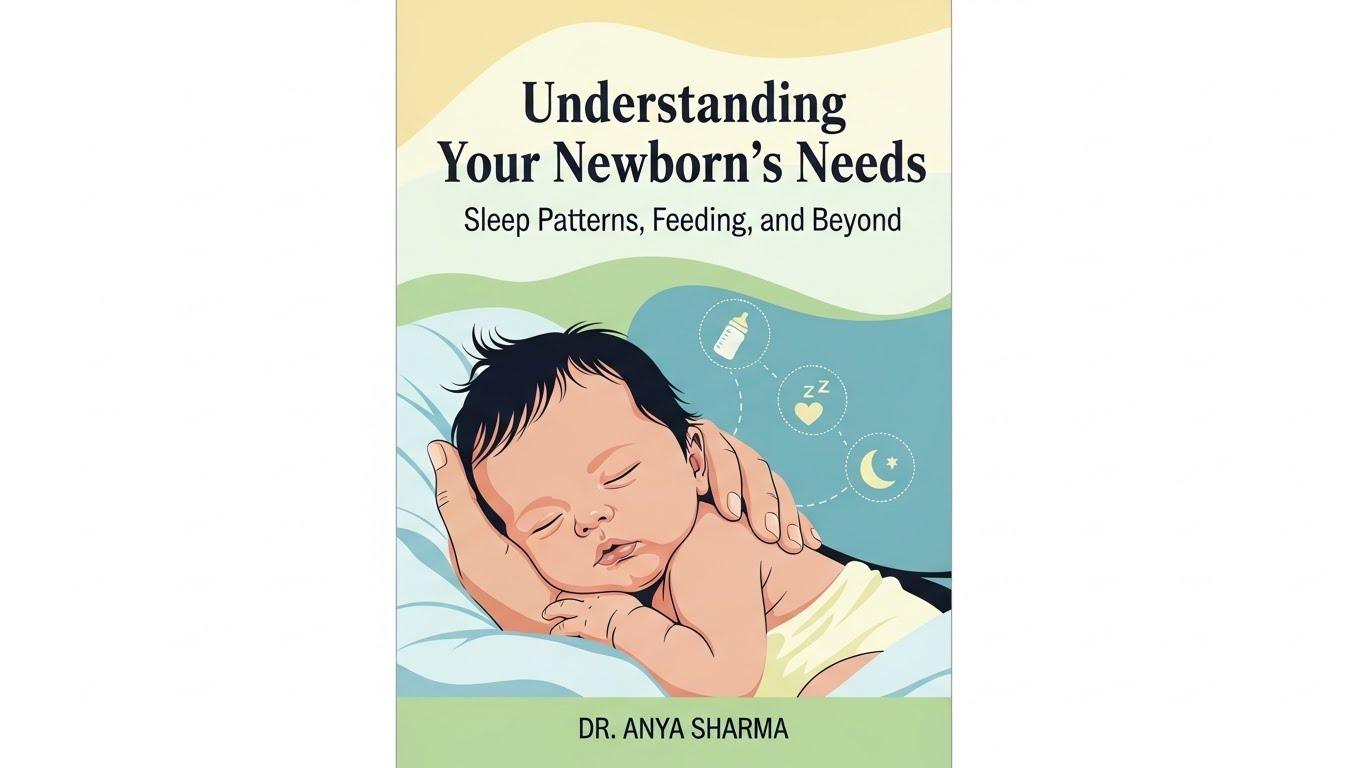
Understanding Your Newborn‘s Needs: Sleep Patterns, Feeding, and Beyond
Welcoming a newborn into your home is a joyous occasion filled with love and excitement. It’s also a period of adjustment as you learn to understand and meet your baby’s needs. From deciphering sleep patterns to mastering feeding schedules, caring for a newborn can be overwhelming. This comprehensive guide will help you navigate the first few months of your baby’s life with confidence and ease.
The Importance of Understanding Your Newborn’s Sleep Patterns
Sleep is crucial for your newborn’s development, yet it can be one of the most challenging aspects for new parents to manage. Newborns typically sleep between 14 to 17 hours a day, but the pattern is often erratic. During the first few weeks, your baby will wake every few hours to feed, making it challenging for parents to get a good night’s sleep.
Newborn Sleep Cycles
Understanding your newborn’s sleep cycles is essential for establishing healthy sleep habits. Babies go through two main sleep cycles: REM (rapid eye movement) and non-REM. During REM sleep, your baby may twitch, smile, or move, which is perfectly normal. Newborns spend about half of their sleep time in REM, which is vital for brain development.
Establishing Sleep Routines
Creating a bedtime routine can help your baby differentiate between day and night, making it easier to establish longer sleep periods at night. Consider incorporating calming activities such as a warm bath, gentle rocking, or a lullaby to signal bedtime. Consistency is key, so try to follow the same sequence of activities every night.

Feeding Your Newborn: Breastfeeding and Formula
Feeding is another critical aspect of newborn care, and it’s important to ensure your baby is getting the necessary nutrients for healthy growth. Whether you choose to breastfeed or use formula, understanding your baby’s hunger cues and feeding patterns will help you provide the best nourishment.
Breastfeeding Benefits and Techniques
Breastfeeding offers numerous benefits for both the baby and the mother. It provides essential nutrients and antibodies that protect your baby from infections. If you choose to breastfeed, focus on getting a proper latch, as it is crucial for effective feeding. Consider consulting a lactation specialist if you encounter difficulties.
Formula Feeding
If breastfeeding isn’t an option or you choose to supplement, formula feeding is a perfectly healthy alternative. Ensure you choose a formula that meets your baby’s nutritional needs and follow the preparation instructions carefully. It’s essential to sterilize feeding bottles and maintain proper hygiene to prevent infections.
Understanding Newborn Cues
Newborns communicate their needs through various cues, and learning to recognize these signals can help you respond promptly and effectively. Some common cues include:
- Hunger Cues: Rooting, sucking on hands, or smacking lips are signs your baby is hungry.
- Tiredness Cues: Yawning, rubbing eyes, or fussiness can indicate that your baby is ready for sleep.
- Discomfort Cues: Arching the back, crying, or fussing might suggest your baby is uncomfortable due to a wet diaper or gas.
By paying attention to these cues, you can meet your baby’s needs more efficiently and reduce crying spells.
Bonding with Your Newborn
Bonding is an integral part of your baby’s emotional and psychological development. Simple activities such as skin-to-skin contact, talking, and making eye contact can strengthen the bond between you and your baby. These interactions help your baby feel secure and loved.
Skin-to-Skin Contact
This practice involves placing your baby on your bare chest, promoting close physical contact. Skin-to-skin contact has been shown to regulate your baby’s body temperature, heart rate, and breathing, while also increasing your milk production if you’re breastfeeding.
Responsive Parenting
Responding to your baby’s needs consistently builds trust and lays the foundation for a secure attachment. When your baby cries, try to figure out what they need and respond promptly, whether it’s feeding, changing, or simply holding them.
Beyond Sleep and Feeding: Other Newborn Needs
While sleep and feeding are primary concerns, there are other important aspects of newborn care to consider, such as health check-ups, safety, and stimulation.
Regular Health Check-Ups
Regular pediatrician visits are crucial for monitoring your baby’s growth and development. These check-ups also provide an opportunity to raise any concerns you may have about your baby’s health. Follow your pediatrician’s advice on immunizations and preventative care.
Creating a Safe Environment
Ensuring your home is a safe space for your newborn is essential. Follow safe sleep guidelines by placing your baby on their back in a crib with a firm mattress and no loose bedding. Keep small objects and hazardous materials out of reach, and consider baby-proofing your home as your newborn becomes more mobile.
Stimulating Your Newborn’s Senses
Engaging your newborn’s senses through play and interaction is crucial for their cognitive development. Simple activities like talking, singing, and showing them colorful objects can stimulate their vision and hearing. As they grow, introduce age-appropriate toys that encourage exploration and learning.
Takeaways
Understanding and meeting your newborn’s needs involves a combination of patience, observation, and practice. By familiarizing yourself with their sleep patterns, feeding schedules, and other cues, you’ll be better equipped to provide the care and attention your baby needs. Remember, every baby is unique, and while guidelines are helpful, it’s important to trust your instincts as a parent.
For further guidance and support, consider visiting resources such as the American Academy of Pediatrics and the CDC’s Parenting Portal. These platforms offer valuable information to help you navigate the early stages of parenting with confidence.
As you continue on this journey of parenthood, it’s important to remember that support is available. Whether it’s through family, friends, or professional resources, you don’t have to navigate this path alone. Connecting with other parents, joining support groups, and seeking advice from healthcare professionals can provide reassurance and valuable insights.
Managing Parental Expectations and Well-being
Caring for a newborn is a full-time job that requires significant physical and emotional energy. It’s easy to become overwhelmed by the responsibilities. Therefore, managing your own expectations and well-being is just as important as caring for your baby.
Setting Realistic Expectations
New parents often put pressure on themselves to handle everything perfectly, but it’s important to remember that mistakes are a natural part of the learning process. Set realistic expectations and allow yourself the grace to learn and adapt as you go.
Self-care for Parents
Taking care of your own well-being is crucial for effective parenting. Adequate rest, nutrition, and mental health care can make a significant difference in how you handle the challenges of newborn care. Make time for yourself, even if it’s just a short break each day to relax and recharge.
Seeking Support
Don’t hesitate to reach out for help when needed. Whether it’s asking a partner or family member to take over for a few hours or seeking advice from a professional, utilizing your support network helps manage stress and prevents burnout. Many communities offer parenting classes and workshops that can provide additional support and education.
Navigating the Next Stages of Development
As your newborn grows, their needs will continue to evolve. Staying informed about developmental milestones and what to expect in the coming months can help you prepare for the next stages of your child’s growth.
Milestones to Watch For
Each baby develops at their own pace, but there are general developmental milestones to look out for. These include physical, social, and cognitive milestones such as smiling, rolling over, and responding to their name. Monitoring these milestones can help ensure your baby is on track and provide early detection of any potential concerns.
Introducing Solid Foods
As your baby approaches six months, you may start to introduce solid foods. This is an exciting transition that requires careful planning to ensure your baby is receiving a balanced diet. Begin with single-ingredient foods and gradually introduce new flavors and textures. Consulting with your pediatrician can provide guidance tailored to your baby’s needs.
Encouraging Exploration and Independence
As babies grow, they become more curious and eager to explore their surroundings. Encouraging safe exploration and independence supports their development and builds confidence. Create a safe play area where your baby can freely explore toys and engage in activities that stimulate learning and creativity.
Takeaways
Understanding your newborn’s needs is a continuous learning process that evolves as your baby grows. By focusing on sleep patterns, feeding, recognizing cues, and maintaining your own well-being, you’ll be well-equipped to provide the nurturing environment your baby requires. Remember, parenting is a journey filled with challenges and rewards, and you’re not alone. Embrace the support of your community and cherish the precious moments of this remarkable phase of life.
For more detailed parenting advice and resources, consider visiting the March of Dimes, which offers a wealth of information on newborn care and development. Being informed and supported will empower you to enjoy the incredible journey of raising your newborn to their fullest potential.
Related Posts

Women deliver babies on the road and under fire as catastrophe grips Sudan’s Aj Jazirah State
As violence intensifie...



“Post-Pregnancy Recovery: Physical and Emotional Wellness Strategies for New Mothers”
Understanding Post-Pre...
Read out all
“Navigating through Your First Trimester: What to Expect and How to Cope”
Navigating through You...
Read out all
“The Ultimate Checklist for Preparing Your Home for a Newborn”
The Ultimate Checklist...
Read out all