Updated: April 15, 2026
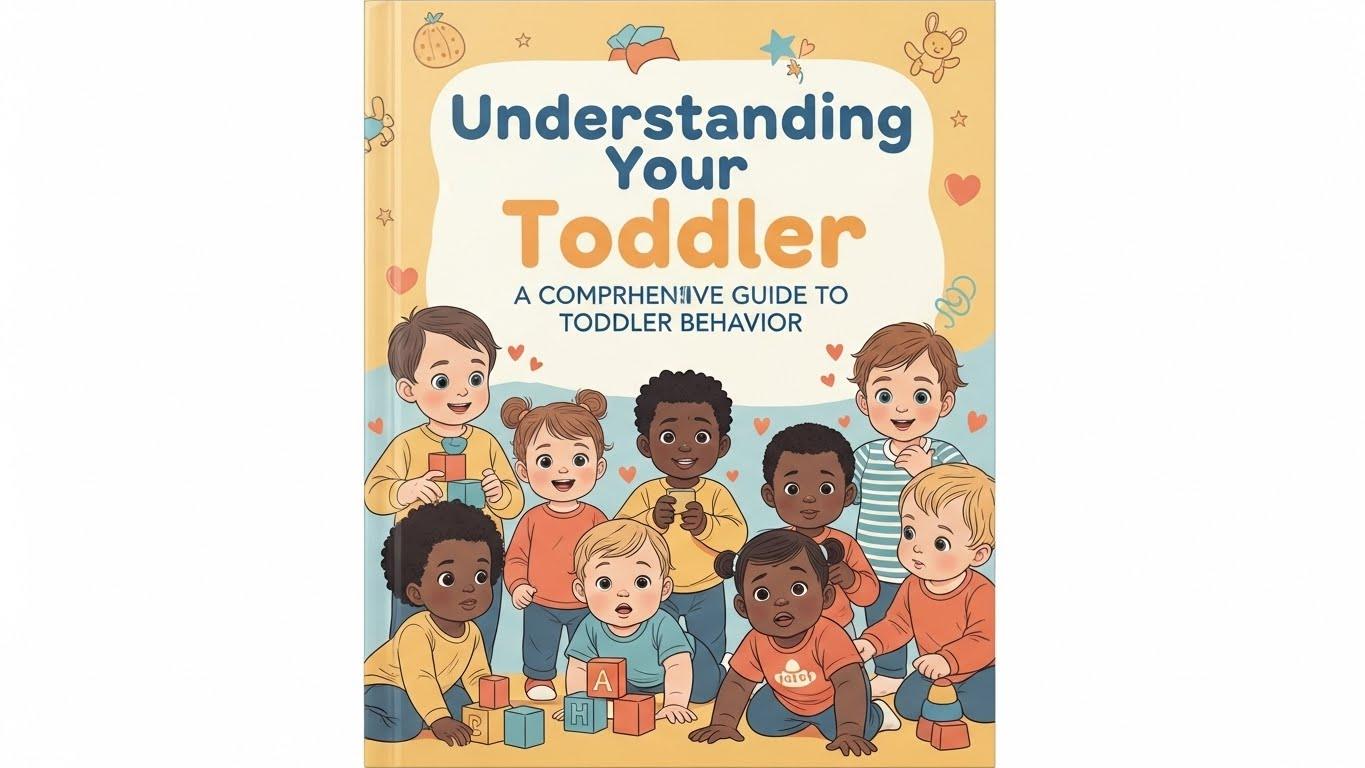
Understanding Your Toddler: A Comprehensive Guide to Toddler Behavior
As parents, caregivers, or educators, understanding toddler behavior is crucial to fostering a nurturing environment where young children can thrive. Toddlers, typically ranging from ages one to three, are at a pivotal stage of development where they experience rapid cognitive, emotional, and physical growth. This comprehensive guide will explore various aspects of toddler behavior, offering insights and strategies to support your child’s development.
The Importance of Understanding Toddler Behavior
Toddlers are curious explorers, constantly learning about the world around them. Understanding their behavior is essential for several reasons. Firstly, it helps in building secure attachments between parents and children, which is crucial for emotional development. Secondly, it allows caregivers to respond appropriately to challenging behaviors, reducing frustration for both parties. Lastly, it aids in nurturing a child’s self-esteem and independence.
Developmental Milestones and Their Impact on Behavior
During the toddler years, children reach several developmental milestones that significantly influence their behavior. Understanding these milestones can provide valuable context for their actions:
- Motor Skills: By age two, most toddlers can walk, run, and climb. These newfound abilities may lead to increased exploration and occasional mischief. Ensuring a safe environment is critical as toddlers test their physical limits.
- Language Development: Toddlers rapidly expand their vocabulary and begin forming simple sentences. As they learn to communicate, frustration from being misunderstood may result in tantrums. Encouraging language development through reading and conversation can help alleviate these frustrations.
- Social Skills: Toddlers start to engage in parallel play and gradually learn to interact with their peers. Teaching sharing and turn-taking can help in developing positive social behaviors.
Common Toddler Behaviors and Solutions
The “No” Phase

Toddlers often go through a “no” phase, asserting their independence by rejecting everything, even things they enjoy. This behavior is a normal part of developing autonomy. To manage this phase, offer limited choices to give your toddler a sense of control while maintaining necessary boundaries.
Temper Tantrums
Temper tantrums are a common toddler behavior, often triggered by frustration or an inability to express themselves. During a tantrum, it’s essential to stay calm and offer comfort. Acknowledge your child’s feelings and gently guide them towards finding a solution. Consistent routines and clear expectations can also reduce the frequency of tantrums.
Separation Anxiety
Many toddlers experience separation anxiety, particularly when starting daycare or preschool. To ease this anxiety, create a goodbye ritual and reassure your child that you’ll return. Gradual exposure to new environments and people can also help them adjust.
Discipline and Guidance Strategies
Discipline is not about punishment but rather teaching and guiding your toddler towards appropriate behavior. Here are some effective strategies:
Positive Reinforcement
Praise and reward your toddler for displaying desirable behaviors. Positive reinforcement encourages repetition of these behaviors and builds self-confidence. Simple rewards like stickers or extra playtime can be effective motivators.
Setting Clear Boundaries
Toddlers need consistent boundaries to feel secure. Clearly communicate rules and consequences and ensure all caregivers enforce them consistently. This approach helps toddlers understand expectations and the results of their actions.
Modeling Behavior
Young children learn by observing adults. Model the behavior you wish to see by demonstrating kindness, patience, and empathy. This method teaches toddlers how to interact positively with others.
Encouraging Toddler Independence
Encouraging independence in toddlers is crucial for their development. Allow your child to make simple choices, such as picking out their clothes or choosing a snack. These opportunities build decision-making skills and self-reliance.
Creating a Safe Environment for Exploration
Toddlers are naturally curious and learn by exploring. Provide a safe environment where they can investigate freely. Childproofing your home and offering age-appropriate toys can satisfy their curiosity while keeping them safe.
Supporting Emotional Development
Emotional development is a significant aspect of toddler growth. Teach your child to identify and express their emotions by labeling feelings and discussing them openly. Encourage empathy by discussing how others might feel and practicing sharing and cooperation.
Seeking Professional Guidance
If you have concerns about your toddler’s behavior or development, seek guidance from a pediatrician or child psychologist. Early intervention can address potential issues and provide tailored support for your child’s needs.
Organizations like CDC’s Positive Parenting offer valuable resources and support for parents navigating toddlerhood.
Takeaways
Understanding toddler behavior is a journey that requires patience, empathy, and knowledge. By recognizing developmental milestones, managing challenging behaviors, and fostering independence, caregivers can create a supportive environment that promotes healthy growth. Remember, each child is unique, and what works for one may not work for another. Stay attuned to your toddler’s needs, and don’t hesitate to seek professional advice when necessary.
For further reading, explore resources from Zero to Three, which offers additional insights into early childhood development and parenting strategies.
Incorporating Play into Learning
Play is a vital component of toddler development, serving as a primary way for children to learn and understand the world. Through play, toddlers develop crucial skills such as problem-solving, creativity, and social interaction. Incorporating educational toys and activities can enhance these learning experiences.
Types of Play
- Unstructured Play: This type of play allows toddlers to use their imagination and creativity without specific guidelines. Encouraging unstructured play can lead to the development of unique problem-solving skills and innovative thinking.
- Structured Play: Activities with specific goals or rules, such as puzzles or board games, help toddlers learn to follow directions and work towards a goal. These activities can also improve cognitive abilities and patience.
Role of Parents in Play
Parents and caregivers should actively participate in playtime, using it as an opportunity to bond and teach essential skills. Engage in activities that your toddler shows interest in and introduce new games that challenge their abilities. This involvement not only strengthens the parent-child relationship but also supports emotional and social development.
Nurturing Toddler Nutrition and Sleep Habits
Proper nutrition and adequate sleep are foundational to a toddler’s physical and mental development. Understanding and implementing healthy habits in these areas can significantly impact your child’s overall well-being.
Toddler Nutrition
Provide a balanced diet rich in fruits, vegetables, whole grains, and proteins. Toddlers are known for being picky eaters, so offer a variety of foods to ensure they receive the necessary nutrients. Encourage self-feeding to foster independence, and involve your child in meal preparation to increase their interest in different foods.
Establishing a Sleep Routine
Regular sleep routines are essential for toddlers, who require 11-14 hours of sleep daily, including naps. Create a consistent bedtime routine that includes calming activities such as reading or listening to soft music. A predictable sleep schedule helps regulate your toddler’s internal clock and improves mood and behavior.
Fostering a Positive Environment
A positive and supportive environment plays a crucial role in a toddler’s development. Here are some strategies to create a nurturing atmosphere:
- Encourage Exploration: Allow your toddler to explore their surroundings safely. This exploration helps them learn and gain confidence in their abilities.
- Promote Positive Interactions: Model and encourage kindness, sharing, and empathy in interactions with others. Positive social experiences build a strong foundation for future relationships.
- Reduce Stress: Minimize exposure to stressful situations and provide a calm and stable environment. Stress can negatively affect a toddler’s emotional and behavioral development.
Resources for Parents and Caregivers
There are numerous resources available to support parents and caregivers in understanding and managing toddler behavior. Books, online forums, parenting classes, and professional consultations can provide valuable insights and guidance.
Websites like HealthyChildren.org offer a wealth of information on various topics related to toddler care and development.
Takeaways
Understanding your toddler requires patience, observation, and a willingness to learn and adapt. By recognizing the significance of developmental milestones, implementing effective discipline strategies, and fostering a nurturing environment, parents and caregivers can support their toddlers’ growth into healthy, confident children. Remember, you are not alone on this journey. Utilize available resources and connect with other parents to share experiences and advice. With love and support, you can help your toddler navigate this exciting stage of life.
Promoting Language and Communication Skills
Language development is one of the most remarkable achievements during the toddler years. As toddlers start to express themselves verbally, it becomes crucial to support and enhance their communication skills actively.
Interactive Reading
Reading to toddlers is one of the most effective ways to boost language development. Choose books with colorful pictures and simple text to hold their attention. Engage your child by asking questions about the story and encouraging them to point out objects or characters. This interaction promotes vocabulary expansion and comprehension.
Encouraging Conversations
Engage in regular conversations with your toddler, even if their responses are limited. Talk about your daily activities, describe your surroundings, and express feelings. This ongoing dialogue helps toddlers learn new words and understand sentence structures. Reinforce their attempts at communication by acknowledging their efforts and responding enthusiastically.
Sing Songs and Nursery Rhymes
Music and rhythm are excellent tools for language development. Singing songs and reciting nursery rhymes introduce toddlers to new vocabulary and sound patterns. Encourage your child to sing along and perform accompanying actions to make the experience more engaging and memorable.
Understanding the Role of Emotions in Toddler Behavior
Toddlers are just beginning to understand and manage their emotions, which can sometimes result in unpredictable behavior. Helping your child navigate their feelings is a crucial aspect of emotional development.
Emotion Identification
Teach your toddler to identify their emotions by labeling them. Use simple terms like “happy,” “sad,” “angry,” or “scared” to help them recognize what they’re feeling. Acknowledging emotions validates your child’s experiences and opens the door to discussing appropriate ways to express them.
Modeling Emotional Regulation
Demonstrating how to manage emotions effectively is one of the best ways to teach emotional regulation. Show your toddler how you handle frustration or disappointment calmly. This modeling provides a powerful example for them to emulate.
Creating a Safe Space for Emotions
Encourage your toddler to express their feelings without fear of judgment. Create a safe and supportive environment where they feel comfortable sharing their emotions. This openness fosters emotional intelligence and resilience.
Building Social Skills and Friendships
Social interactions are an essential part of toddler development. Encouraging your child to engage with peers helps them learn important social skills that will benefit them throughout life.
Facilitating Playdates
Arrange playdates with other toddlers to provide opportunities for social interaction. These gatherings help children practice sharing, cooperation, and conflict resolution. Supervise playdates initially to guide interactions and step in if necessary to mediate conflicts.
Group Activities
Participating in group activities, such as toddler classes or community events, exposes your child to different social settings. These experiences can help them learn to adapt to various environments and interact with diverse groups of people.
Teaching Empathy
Encourage your toddler to consider others’ feelings by discussing how actions might affect their friends. Simple exercises, like asking your child how they would feel in a specific situation, can promote empathy and understanding.
Takeaways
Understanding toddler behavior is a multifaceted journey that requires attention, patience, and adaptability. By focusing on key areas such as language development, emotional regulation, and social skills, you can support your child’s growth into a well-rounded individual. Remember that every child is unique, and what works for one may not be effective for another. Stay flexible in your approach and continue to seek knowledge and resources that can assist you in this rewarding endeavor. Through your guidance and support, your toddler can develop the skills and confidence needed to navigate the world with curiosity and resilience.
Related Posts


Protegendo mães e bebês contra o HIV e a sífilis: preço do teste duplo cai para US$ 0,84.
Como uma parceria inéd...



Uprooted: Three displaced survivors of gender-based violence share their personal journeys
Aisha* was 16 years ol...
Read out all
“Transitioning from Infant to Toddler: What to Expect and How to Manage”
Transitioning from Inf...
Read out all