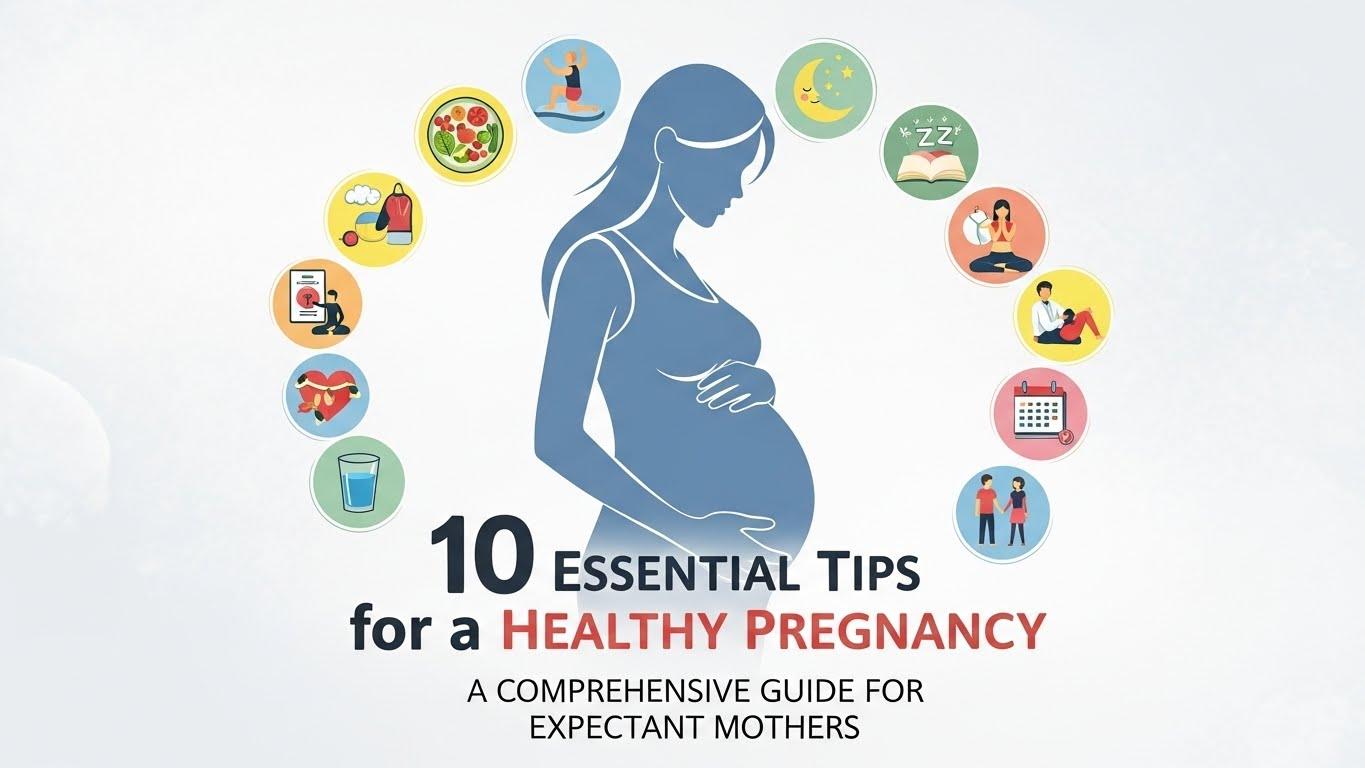
10 Essential Tips for a Healthy Pregnancy: A Comprehensive Guide for Expectant Mothers
Pregnancy is a beautiful journey that brings with it a sense of excitement, anticipation, and a touch of nervousness. Ensuring a healthy pregnancy is crucial for both the mother and the developing baby. This guide provides expectant mothers with ten essential tips to navigate this transformative period with confidence and joy.
1. Maintain a Nutritious Diet
A well-balanced diet is paramount during pregnancy. It provides the necessary nutrients for the baby’s growth and helps maintain the mother’s health. Focus on a diet rich in whole grains, lean proteins, fruits, and vegetables. Ensure you’re getting enough folic acid, iron, calcium, and omega-3 fatty acids, which are vital for fetal development.
2. Stay Hydrated
Hydration plays a vital role in a healthy pregnancy. Water aids in forming the placenta and amniotic fluid and helps the mother maintain a healthy blood volume. Aim for at least 8-10 glasses of water daily. Herbal teas and fresh juices, in moderation, can also contribute to your hydration needs.
3. Regular Prenatal Checkups
Attending regular prenatal checkups allows healthcare providers to monitor the health of both the mother and the baby. These visits are crucial for tracking the baby’s development, identifying potential issues early, and receiving essential vaccinations. Be proactive in discussing any concerns with your healthcare provider.
4. Exercise Regularly

Exercise is beneficial for maintaining physical and mental health during pregnancy. It can help reduce back pain, improve sleep, and boost mood. Opt for moderate activities like walking, swimming, or prenatal yoga. Always consult with a healthcare provider before starting any new exercise routine.
5. Get Adequate Sleep
Sleep is essential for the well-being of both mother and baby. It aids in stress management and keeps energy levels high. Aim for 7-9 hours of sleep each night. Establish a relaxing bedtime routine, such as reading or taking a warm bath, to help improve sleep quality.
6. Manage Stress
Managing stress is crucial during pregnancy. High stress levels can lead to complications such as preterm birth. Techniques such as prenatal yoga, meditation, and deep breathing exercises can be effective. Engaging in hobbies and spending time with loved ones can also help alleviate stress.
7. Educate Yourself
Knowledge is empowering. Educate yourself about the pregnancy process, childbirth, and newborn care. Attend prenatal classes and read reputable sources to prepare for the journey ahead. Websites like March of Dimes offer a wealth of information for expectant mothers.
8. Avoid Harmful Substances
Avoiding harmful substances is imperative for a healthy pregnancy. This includes not only alcohol and tobacco but also certain medications and chemicals. Discuss any medications with your healthcare provider to ensure they are safe for use during pregnancy. Limit caffeine intake and avoid exposure to toxic environments.
9. Monitor Weight Gain
Healthy weight gain is a vital aspect of a healthy pregnancy. The amount of weight you should gain depends on your pre-pregnancy weight. Typically, a gain of 25 to 35 pounds is recommended for those with a normal BMI. Consult a healthcare provider for personalized advice, and focus on gaining weight gradually through a balanced diet.
10. Listen to Your Body
Your body undergoes numerous changes during pregnancy. It’s important to listen to it and rest when needed. If you experience unusual symptoms, such as severe headaches, blurred vision, or abdominal pain, contact your healthcare provider immediately. Trust your instincts and prioritize your health and well-being.
Takeaways
Every pregnancy is unique, and what works for one person may not work for another. These ten essential tips provide a foundation for a healthy pregnancy, but it’s crucial to adapt them to your personal needs. Regular communication with healthcare providers, combined with informed decisions and self-care, will help ensure a positive pregnancy experience. For more detailed guidance, explore resources such as the CDC’s pregnancy resources or the KidsHealth pregnancy calendar for week-by-week information.
Creating a Supportive Environment
The environment around you plays a significant role in your pregnancy journey. Surround yourself with supportive family and friends who can provide emotional and practical help. This support network can assist with daily tasks, offer a listening ear, and provide encouragement when needed. Consider joining a local or online support group where you can connect with other expectant mothers and share experiences and advice.
Importance of a Birth Plan
Creating a birth plan is an effective way to communicate your preferences for labor and delivery. It helps ensure that your healthcare team understands your wishes regarding pain management, labor positions, and post-delivery care. While flexibility is necessary, having a plan in place can reduce anxiety and help you feel more in control. The NHS offers guidance on creating a comprehensive birth plan tailored to your needs.
Understanding Prenatal Tests
During pregnancy, various prenatal tests are performed to monitor the baby‘s development and detect potential complications. Understanding these tests, such as ultrasounds, blood tests, and glucose screening, can ease anxiety and help you make informed decisions. Knowing what to expect allows you to prepare questions for your healthcare provider and actively participate in your prenatal care process.
Postpartum Preparation
While much of the focus is on pregnancy and delivery, preparing for the postpartum period is equally important. Recovery can be both physically and emotionally challenging. Plan for support during this time, whether it be through family, friends, or postpartum services. Familiarize yourself with the signs of postpartum depression and seek help if needed. Planning ahead can help ease the transition into motherhood and support your mental and physical recovery.
Empowering Yourself Through Knowledge
Empower yourself by continuously seeking knowledge about pregnancy and childbirth. Attend workshops, read books, and follow reputable online sources. Websites like The American College of Obstetricians and Gynecologists offer valuable insights into pregnancy health and wellness. Staying informed allows you to make confident decisions and advocate effectively for your needs.
Developing a Mindful Connection with Your Baby
Forming a bond with your baby before birth can enhance your emotional well-being and prepare you for the journey ahead. Engage in activities that promote relaxation and connection, such as prenatal yoga, meditation, or simply talking to your baby. This mindful practice not only nurtures your relationship with your unborn child but also reduces stress and enhances your overall pregnancy experience.
Takeaways
Preparing for a healthy and fulfilling pregnancy involves a multifaceted approach that includes physical health, mental well-being, and informed decision-making. By following these essential tips and remaining adaptable to your unique circumstances, you can create a nurturing environment for both yourself and your baby. Remember, this journey is personal and transformative, and with the right support and resources, you can navigate it with confidence and joy. For further reading and resources, consider exploring the Mayo Clinic’s comprehensive guide on prenatal care.
Building Resilience During Pregnancy
Pregnancy is a period of immense change, and building resilience can help you manage the physical and emotional ups and downs. Resilience involves cultivating a positive mindset, which can be achieved through techniques such as mindfulness, journaling, and gratitude practices. By focusing on what you can control and learning to adapt to new challenges, you strengthen your ability to cope with stress and uncertainty.
Engaging Your Partner in the Pregnancy Journey
Involving your partner in the pregnancy experience can foster a deeper connection and shared responsibility. Encourage them to attend prenatal appointments, engage in discussions about parenting philosophies, and participate in birthing classes. Open communication about feelings, expectations, and concerns is vital to ensuring both partners feel supported and prepared for the arrival of the baby.
Exploring Holistic Health Practices
Consider integrating holistic health practices into your pregnancy routine to enhance your overall well-being. Techniques such as acupuncture, prenatal massage, and aromatherapy can complement traditional prenatal care by reducing discomfort and promoting relaxation. Always consult with a healthcare provider before trying new therapies to ensure they are safe and suitable for your pregnancy.
Understanding Nutritional Needs in Each Trimester
As your pregnancy progresses, your nutritional needs will evolve. In the first trimester, focus on folic acid and iron to support early development. The second trimester may require increased calcium and vitamin D intake to support the baby’s growing bones. In the third trimester, emphasize protein and healthy fats to aid in the baby’s brain development. Tailoring your diet to meet these changing needs can greatly benefit both you and your baby.
Preparing for the Unexpected
Pregnancy can be unpredictable, and being prepared for unexpected scenarios is essential. Create a list of emergency contacts, know the route to your hospital or birthing center, and have a hospital bag packed well in advance. This preparedness can help reduce anxiety and ensure you can focus on the birth when the time comes.
Takeaways
The journey of pregnancy is a unique and personal experience full of challenges and joys. By following these comprehensive tips and maintaining open communication with your healthcare provider, you can foster a healthy environment for both you and your baby. Embrace the changes, seek support, and trust in your ability to navigate this transformative time. Resources like Parents Magazine offer additional insights and stories from other mothers to further guide you on this incredible journey.
Posts relacionados

Women deliver babies on the road and under fire as catastrophe grips Sudan’s Aj Jazirah State
As violence intensifies across southeast Sudan, hundreds of thousands of people have fled Aj Jazirah State for neighbouring Gedaref State, taking refuge...
Novo relatório: O custo da inação em relação ao HIV para as crianças
O futuro deles está em jogo. Este relatório, produzido pela UNAIDS, UNICEF e Avenir Health, mostra que o progresso significativo alcançado nas...

Será que seu bebê vai parecer com você? Entenda a ciência por trás
Quando você imagina um filho, é natural se perguntar se o bebê vai parecer com você ou com seu parceiro. A matéria publicada pela Parents, explica como...

“Post-Pregnancy Recovery: Physical and Emotional Wellness Strategies for New Mothers”
Understanding Post-Pregnancy Recovery Bringing a new life into the world is a monumental event, filled with joy and excitement. However, the period...
Leia tudo
“Navigating through Your First Trimester: What to Expect and How to Cope”
Navigating through Your First Trimester: What to Expect and How to Cope The first trimester of pregnancy is a transformative period, both...
Leia tudo
“The Ultimate Checklist for Preparing Your Home for a Newborn”
The Ultimate Checklist for Preparing Your Home for a Newborn Welcoming a newborn into your home is an exciting and transformative experience....
Leia tudo